Top 12 Best Down Insulated Jacket Deals You Can’t Miss
Most down jackets start out warm but quickly lose their insulation after a few uses or when they get wet. Finding the best down insulated jacket can be a real challenge since cheap models often compress easily, leaving you shivering. The key problem lies in how well the jacket holds heat and manages moisture, two things that don’t show until you’re stuck outside in cold, damp conditions.
A quality down insulated jacket relies on a high fill power, typically above 600, which indicates better loft and warmth retention. The shell fabric should resist water while remaining breathable to prevent sweat buildup. Fit also matters; a jacket that’s too tight compresses the down, reducing its insulating effect, while one that’s too loose lets cold air in.
Practical details like durable water repellent coatings and reinforced stitching make a difference over time, too.
Need a Quick Check?
| Image | Product | Price |
|---|---|---|
Our Top Picks 1  | Marmot Zeus Jacket | Check Price |
Our Top Picks 2  | Arcteryx Cerium Hoody | Check Price |
Our Top Picks 3  | Marmot Jena Jacket | Check Price |
Our Selected Top 12 Down Insulated Jacket Picks for Every Need
This list features a variety of down insulated jackets designed for different activities and conditions. Each review explains how well the jacket performs, who it is best suited for, and highlights its main advantages and potential drawbacks.
1. Marmot Zeus Down Jacket
Marmot Zeus Down Jacket stands out for keeping you warm in cold weather while maintaining a regular fit and classic band collar style. It’s well-suited for anyone looking for reliable insulation without extra bulk during spring and summer chilly days.
Putting on the Zeus Down Jacket feels comfortable thanks to its regular fit and long sleeves that manage movement easily. The quilted silhouette helps maintain the insulation evenly, so you don’t get cold spots.
Arctic Navy color provides a clean, solid look that pairs well with most outdoor gear or casual wear.
Performance in cold weather is solid due to the down insulation, providing enough warmth for brisk conditions. The quilted design supports durability and keeps the fill evenly spread.
Users have praised the jacket’s warmth and fit, while others noted the weight is a bit heavier than some might prefer for longer wear during active outings.
Warmth and fit receive the most praise in reviews, highlighting that the jacket does a great job of holding heat evenly without uncomfortable tightness. The most common issue noted is the jacket’s weight, which some find a bit heavy for extended use during vigorous activities.
Those looking for dependable cold-weather insulation in a casual style will appreciate this jacket. Active users who need something lighter or more breathable for high-output exercise might want to consider other options.
Pros
- Warm down insulation suitable for cold climates
- Consistent warmth thanks to quilted design
- Regular fit comfortable for layering
- Versatile Arctic Navy color
Cons
- Heavier weight compared to some down jackets
- Limited breathability for intense activity
| Specification | Details |
|---|---|
| Color | Arctic Navy – Latest Collection |
| Style | Zeus Down-insulated Jacket |
| Sleeve Type | Long Sleeve |
| Coat Silhouette Type | Quilted |
| Seasons | Spring/Summer |
| Fit Type | Regular |
2. Arcteryx Cerium Hoody
Arc’teryx Cerium Hoody stands out as a warm, lightweight down insulated jacket designed for cold weather. Its biggest strength lies in balancing insulation and weight, making it ideal for anyone needing reliable warmth without bulk during fall and winter seasons.
Putting it on is simple with a hooded collar for extra coverage. The regular fit suits layering, and the long sleeves provide ample arm coverage.
The quilted silhouette keeps insulation evenly distributed, preventing cold spots. Black Sapphire color is versatile and tends to hide wear well. Great for daily walks or layering under a shell on windy days.
The jacket insulates efficiently, making chilly days comfortable without feeling heavy. Construction uses quality materials focused on cold climate suitability, with consistent stitching for durability. Reviews often praise its warmth and lightness.
Some mention that it may not offer enough protection in wetter conditions due to limited weatherproofing.
Warmth without bulk is the jacket’s strongest advantage, making it practical for cold but dry days. Common complaints focus on its lack of waterproof features, which limits use in harsh wet weather.
Anyone needing warmth and lightness for active use in cold, dry environments will appreciate this jacket. Those who often face rain or damp snow should consider options with more weather resistance.
Pros
- Lightweight yet warm for cold weather
- Hooded collar adds extra coverage
- Regular fit allows comfortable layering
- Quilted design keeps insulation in place
Cons
- Limited weatherproofing for wet conditions
- Not ideal for heavy rain or snow
| Specification | Details |
|---|---|
| Color | Black Sapphire |
| Style | Cerium Hoody |
| Sleeve Type | Long Sleeve |
| Coat Silhouette Type | Quilted |
| Seasons | Fall, Winter |
| Fit Type | Regular |
| Climate Suitability | Cold Weather |
3. Marmot Jena Down Jacket
Feels warm and cozy during chilly days, making it a solid choice for cold weather outings. Perfect for women who want a down jacket that offers reliable insulation without feeling bulky.
The classic fit means it suits those looking for a timeless style that works well on the go.
Putting it on is straightforward thanks to the band collar and long sleeves, which help keep the cold out. Day-to-day, it holds up well with its quilted design that keeps the insulation evenly distributed.
The solid Arctic Navy color doesn’t show dirt easily, so it stays looking fresh even after regular wear throughout fall and winter.
The jacket keeps you warm where it counts without extra weight getting in the way. The down insulation lives up to the cold weather claim, with a sturdy construction that feels durable. More than a few notes mention how comfortable it is to wear all day long.
Some find the classic fit a bit roomy, especially if you prefer a more fitted look.
Warmth and comfort stand out as strong points, with many noting how well the insulation works without bulk. On the downside, some feel the fit leans toward roomy rather than snug, which might not suit everyone’s preference in silhouette.
Those seeking a reliable down jacket for dry cold conditions that fits with a classic silhouette will appreciate this one. For users wanting a more tailored fit or waterproof features, exploring other options might be more satisfying.
Pros
- Warm down insulation for cold days
- Classic fit suits many body types
- Durable quilted design retains warmth
- Band collar blocks wind effectively
Cons
- Fit can feel roomy for some
- Lacks features for wet weather protection
| Specification | Details |
|---|---|
| Color | Arctic Navy – Latest Collection |
| Style | Women’s Jena Down-insulated Jacket |
| Sleeve Type | Long Sleeve |
| Coat Silhouette Type | Quilted |
| Climate Suitability | Cold Weather |
| Fit Type | Classic |
4. Columbia Delta Ridge II Down Jacket
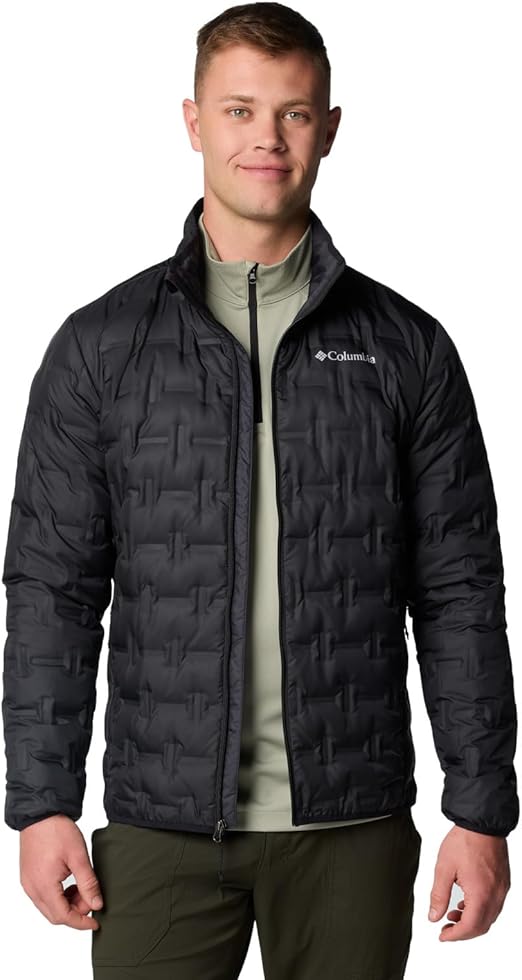
Warm and reliable, the Columbia Delta Ridge II Down Jacket suits anyone looking for solid insulation during chilly fall days. Its biggest strength lies in the hooded design combined with a regular fit that keeps cold air out without feeling bulky or restrictive.
Putting it on is straightforward thanks to the quilted silhouette and long sleeves that cover well without extra fuss. The black solid pattern fits well with outdoor activities or casual wear.
Its hood offers extra protection against chilly winds, making it good for days when the temperature dips but isn’t freezing cold.
Performance-wise, it does a great job staying warm in colder weather and the down insulation is enough for most fall conditions. The build uses quality stitching that holds up well, though some mention the fit could feel a bit loose for those wanting a slimmer cut. Warmth is consistent with a lightweight feel, but a few find the jacket less suited for very wet days due to lack of waterproofing details.
Many appreciate how the hood and quilting combine to keep warmth steady during fall activities. The common downside is the fit, which some consider less tailored than expected. This can affect how it feels during movement or layering.
Anyone seeking a dependable, warm jacket for dry cold weather will find this useful. Those needing a waterproof or tightly fitted winter jacket might want to explore other options better tailored to those needs.
Pros
- Warm hooded design for better cold protection
- Quilted style keeps down evenly distributed
- Regular fit suitable for layering underneath
Cons
- Not ideal for wet weather due to missing waterproof features
- Fit may feel loose for slim silhouette preferences
| Specification | Details |
|---|---|
| Color | Black |
| Style | Delta Ridge II Down Jacket |
| Sleeve Type | Long Sleeve |
| Coat Silhouette Type | Quilted |
| Seasons | Fall |
| Climate Suitability | Cold Weather |
5. The North Face Classic Down Hooded Jacket

Filled with down insulation and featuring a quilted silhouette, the Classic Down Hooded Jacket in Tnf Black is designed for cold weather in the fall. It suits those needing reliable warmth with a regular fit and a hood for extra protection, making it especially useful in chilly conditions.
The long sleeves and solid pattern offer a straightforward, versatile style that fits well in everyday casual settings. The regular fit accommodates layering underneath, and the hood helps shield from wind and cold. Its classic design keeps things simple, making it easy to slip on for commutes or outdoor errands during colder months.
Performance centers on warmth and insulation to handle cold weather, with the down padding trapping heat efficiently. The quilted construction contributes to even distribution of insulation.
Positive reviews highlight the jacket’s ability to maintain warmth without feeling bulky, while common complaints note the jacket’s weight could be lighter and it may not perform well in wetter conditions without additional water protection.
The jacket is praised for keeping users warm without excessive bulk, making it a solid choice for dry, cold days. However, the weight and lack of water resistance are noted downfalls by those expecting lighter or more weatherproof outerwear.
People seeking dependable warmth and a simple style will appreciate this jacket, particularly in dry, chilly climates. Those wanting a lightweight or waterproof option might want to explore other jackets better suited for wet or milder conditions.
Pros
- Warm down insulation suitable for cold temperatures
- Hooded design offers added wind protection
- Regular fit allows comfortable layering
- Classic quilted style for timeless look
Cons
- Heavier compared to other down jackets
- Not ideal for wet weather without a shell
| Specification | Details |
|---|---|
| Color | Tnf Black |
| Style | Classic Down Hooded |
| Sleeve Type | Long Sleeve |
| Coat Silhouette Type | Quilted |
| Seasons | Fall |
| Fit Type | Regular |
| Climate Suitability | Cold Weather |
6. Columbia Powder Lite II Jacket

Collegiate Navy color catches the eye right away, fitting well for outdoor activities in chilly fall weather. It suits anyone looking for a fitted down jacket that balances warmth and style without bulk, especially during cold seasons.
Wearing it daily, the quilted design keeps the insulation evenly spread, preventing cold spots. Long sleeves and a fitted cut make it easy to layer beneath heavier coats or wear alone for brisk days.
The jacket feels lightweight yet cozy, making it a reliable go-to for hikes or casual outings.
The jacket insulates effectively for cold weather, providing consistent warmth through its quilted build. Its fitted silhouette feels tailored without restricting movement.
The most praised feature is the jacket’s warmth relative to its weight. Some find the fit a bit snug for broader builds, which can limit layering options.
The jacket is praised for maintaining warmth without heavy bulk, making it comfortable for active use in cold weather. Commonly, it gets flagged for its tight fit that can make layering underneath challenging, especially for broader shapes.
People searching for a warm jacket that fits snugly will find this option appealing. People needing roomier, more versatile layering options might want to explore less fitted choices instead.
Pros
- Warm even in colder fall conditions
- Lightweight construction doesn’t feel bulky
- Fitted cut complements layering
- Solid color stays versatile in style
Cons
- May feel tight for larger body types
- Limited color choices
| Specification | Details |
|---|---|
| Color | Collegiate Navy |
| Style | Powder Lite II Jacket |
| Sleeve Type | Long Sleeve |
| Coat Silhouette Type | Quilted |
| Fit Type | Fitted |
| Climate Suitability | Cold Weather |
7. The North Face Aconcagua 3 Jacket

Perfect for chilly fall days, the Aconcagua 3 Jacket works well for anyone needing a warm, insulated layer against wind and water without overdoing it on bulk. Its biggest strength is striking a balance between warmth and regular fit that suits many body types comfortably.
Putting it on and wearing it daily feels natural thanks to the band collar and long sleeves that keep warmth trapped. The wind and water-resistant features come into play often on blustery mornings, while the quilted design spreads insulation evenly.
It runs a regular fit, so layering underneath is simple without feeling too tight or loose.
Handling cold weather is where this jacket truly shines. The insulated puffer construction keeps warmth in and chill out, proving reliable during brisk fall temperatures. It’s made to last with materials that resist wind and water, making it a practical go-to.
The most frequent praise highlights its comfortable warmth, while some note the lack of extra pockets as a downside.
Warmth and comfort stand out as this jacket’s main advantages, consistently keeping users cozy in cold weather. Many appreciate the fit and insulation, though some miss having more pockets for carrying essentials securely.
Anyone looking for a jacket to handle typical fall or mild winter days will find it a solid choice. Those needing heavier insulation or lots of storage might want to consider alternative options.
Pros
- Warmth without excessive bulk
- Wind and water-resistant fabric
- Comfortable regular fit
- Simple band collar retains heat well
Cons
- Limited pocket space
- Best for fall, not extreme cold
| Specification | Details |
|---|---|
| Color | Smoked Pearl |
| Style | Aconcagua 3 Jacket (Standard & Big Size) – Wind & Water Resistant Puffer Coat, Insulated |
| Sleeve Type | Long Sleeve |
| Coat Silhouette Type | Quilted |
| Climate Suitability | Cold Weather |
8. The North Face McMurdo Parka

Cold, wet weather calls for dependable protection without sacrificing warmth. Perfect for anyone spending a lot of time outdoors during fall and winter, this parka stands out for its insulation and water resistance, making sure you stay warm and dry when the temperature drops and the winds pick up.
Getting ready to face the day is straightforward with an adjustable three-piece hood that protects your head and neck. The breathable DryVent 2L shell keeps water out but lets moisture escape, so you don’t feel clammy. Long sleeves with a regular fit and a cocoon silhouette provide room for layering but don’t let heat escape.
The jacket’s recycled nylon material feels sturdy and holds up well against rough weather.
Windproof, waterproof, and insulated with 600-fill recycled down, this coat does well in tough winter conditions. The non-PFC Durable Water Repellent finish helps snow and rain slide off easily.
Sewing is sealed at the seams, adding an extra layer of protection against moisture. The strongest praise from users is how effectively it keeps cold and wet weather at bay, while the main complaint is that it’s a bit bulky for urban everyday wear.
Users praise the parka for keeping them very warm and dry in harsh cold conditions, thanks to its 600-fill recycled down and waterproof shell. A commonly mentioned drawback is its bulkiness, which some find less ideal for everyday urban wear or high-mobility activities.
Anyone needing reliable, heavy-duty warmth during cold, wet weather will appreciate the McMurdo Parka. Those looking for a lighter, more flexible jacket may want to explore other options better suited to city use or milder climates.
Pros
- Excellent warmth from 600 fill recycled down
- Waterproof and breathable DryVent 2L shell
- Adjustable hood offers good head coverage
- Durable non-PFC water repellent finish
Cons
- Bulky silhouette may restrict movement
- Heaviest coat of The North Face men’s line
| Specification | Details |
|---|---|
| Material | 100% recycled nylon woven with non-PFC durable water-repellent finish |
| Insulation | 600 fill recycled waterfowl down |
| Shell | Waterproof, breathable, seam-sealed DryVent 2L |
| Color | Smokey Brown |
| Fit Type | Regular |
| Hood | Adjustable 3 Piece Hood |
9. The North Face Classic Down Jacket

Down insulation makes this jacket a solid choice for cold weather, especially suited for casual use in the fall. Black color and classic quilted design keep it versatile, while the regular fit ensures comfort without feeling bulky.
Its biggest strength lies in providing reliable warmth with a timeless style.
Putting it on is straightforward with the band collar offering simple neck coverage without fuss. Long sleeves and a quilted coat silhouette keep the cold out during day-to-day activities, whether you’re running errands or taking a quick walk. The solid pattern and neutral color match nearly any casual outfit, making it easy to wear often.
Warmth is the primary function, and the down insulation delivers well on that, keeping the chill away in typical fall conditions. The build is consistent with other classic jackets, durable stitching and materials that can handle casual wear and occasional outdoor use.
Reviews highlight its dependable warmth, though some mention it may not be enough for extremely cold weather.
The jacket consistently keeps wearers warm and comfortable during typical cold fall days. The most frequent downside mentioned involves the jacket not being suitable for very low temperatures or harsh winter conditions. Its insulation works best for moderately cold weather.
Those seeking reliable casual warmth in fall will appreciate this jacket’s style and fit. People needing extra protection in biting cold or winter sports should consider jackets with heavier insulation or more technical features.
Pros
- Warm down insulation for cold weather
- Regular fit tailored for comfort
- Timeless black color goes with almost anything
- Durable quilting holds shape well
Cons
- Not ideal for extremely cold climates
- Limited use mostly in fall season
| Specification | Details |
|---|---|
| Color | Tnf Black |
| Style | Classic Down |
| Sleeve Type | Long Sleeve |
| Coat Silhouette Type | Quilted |
| Seasons | Fall |
| Fit Type | Regular |
10. Columbia Voodoo Falls TurboDown II Jacket

People looking for a reliable cold weather jacket with a comfortable fit and casual style will appreciate this piece. It suits those who need warmth without bulk, especially during fall, and its biggest strength is how well it balances insulation with regular fit wearability.
Putting it on is straightforward thanks to the long sleeves and band collar, both designed for easy layering. The quilted design keeps the insulation evenly spread, so you stay warm in chilly weather.
Wearing it day-to-day feels natural because it’s not too tight or heavy, making casual outings and errands comfortable.
Performance-wise, the jacket does well at keeping cold out thanks to efficient down insulation that doesn’t weigh you down. The construction feels solid with a classic solid pattern and a neat coat silhouette. A common praise is its warmth without feeling bulky, while some mention that this piece is more suited for fall rather than extreme cold, which limits its use in harsher winter climates.
The jacket is praised for providing warmth without heavy bulk, making it easy and comfortable for casual fall wear. Some users find the insulation less suitable for very harsh winter weather, indicating a limit on temperature performance.
Those needing a lightweight yet warm fall jacket will appreciate this option. People seeking protection against severe winter elements or more technical outerwear might want to consider other choices specialized for those needs.
Pros
- Comfortable regular fit for layering
- Quilted design keeps insulation evenly distributed
- Warmth suited for cold weather fall use
- Band collar adds simple neck coverage
Cons
- Not ideal for extreme winter conditions
- Lacks features for heavy snow or rain
| Specification | Details |
|---|---|
| Color | Collegiate Navy |
| Style | Voodoo Falls 590 Turbodown II Puffer Jacket |
| Sleeve Type | Long Sleeve |
| Coat Silhouette Type | Quilted |
| Seasons | Fall |
| Climate Suitability | Cold Weather |
11. Marmot Fordham Down Jacket

Comfortable and warm, the Marmot Fordham Down Jacket stands out with its waterproof and breathable fabric, making it ideal for cold, damp conditions. Perfect for anyone who needs reliable insulation without sacrificing weather protection during fall and winter days.
Putting on this jacket feels easy thanks to its regular fit and hooded collar, which keeps the head covered from wind and rain. Its quilted design ensures the down fill stays evenly distributed, preventing cold spots. Wearing it throughout the day, the jacket balances warmth with breathability, so it doesn’t feel too stuffy during periods of activity.
The 700-fill down insulation delivers solid warmth, suitable for chilly outdoor use. Its waterproof and breathable fabric helps fend off moisture while letting sweat escape.
The jacket is built to last with durable materials, though some users mention it can feel a bit bulky under a backpack. The hood provides good coverage but might feel snug for those who prefer more space around the neck.
The jacket consistently offers reliable warmth and weather resistance, praised for its waterproof, breathable qualities and comfortable insulation. A frequent note is the bulkiness when paired with heavier gear or backpacks, which some wearers find less convenient.
Anyone who spends time outdoors in cold, wet weather will appreciate its performance. Those seeking a lighter or more streamlined jacket for frequent layering might consider other options better suited for compact packing and high-mobility activities.
Pros
- Waterproof and breathable fabric for damp cold
- 700-fill down insulation for solid warmth
- Regular fit with a hood for extra coverage
- Even down distribution thanks to quilted design
Cons
- Can feel bulky when carrying a backpack
- Hood may be snug for some neck sizes
| Specification | Details |
|---|---|
| Color | Black – Latest Collection |
| Style | Fordham Down Jacket – Waterproof, Breathable 700-fill Insulated Puffer Coat |
| Sleeve Type | Long Sleeve |
| Coat Silhouette Type | Quilted |
| Seasons | fall/winter |
| Climate Suitability | Cold Weather |
12. Rab Electron Pro Down Jacket

Rab Electron Pro Down Jacket is a solid choice for anyone spending time outdoors in cold weather. It suits casual wear and delivers reliable warmth without being overly bulky, making it a great jacket for those who value comfort and versatility in colder climates.
Wearing the jacket day-to-day is straightforward thanks to its regular fit and long sleeves, which provide enough room to layer underneath without feeling tight. The quilted design keeps the down insulation in place, maintaining a consistent temperature.
Its solid army color also works well for everyday casual wear without standing out too much.
The jacket performs well in cold weather, keeping you warm during long outdoor activities. The stitching and material quality feel sturdy, giving confidence that the jacket will last through regular use.
The main positive noted is its solid insulation for cold conditions. On the downside, some might find the fit a bit standard and not tailored enough for those preferring a slimmer cut.
The jacket keeps warmth well during cold weather and stands up to frequent use thanks to its quality quilting. The most common critique is its regular fit, which might not suit everyone’s style preferences or layering needs.
Those needing reliable insulation for casual outdoor wear will appreciate this jacket. People looking for a slim fit or more fashion-forward design may want to consider other options better suited to their tastes.
Pros
- Consistent warmth in cold weather
- Comfortable regular fit for layering
- Durable quilted construction
- Casual style suitable for outdoor activities
Cons
- Fit may be too loose for some
- Design not very tailored or stylish
| Specification | Details |
|---|---|
| Color | Army |
| Style | Casual |
| Coat Silhouette Type | Quilted |
| Seasons | All |
| Fit Type | Regular |
| Climate Suitability | Cold Weather |
Best Down Insulated Jackets Comparison Table
| Product | Season Suitability | Insulation Fill Type | Fit Type | Collar Style |
|---|---|---|---|---|
| Marmot Zeus Jacket | Spring/Summer | Down-insulated | Regular | Band |
| Arcteryx Cerium Hoody | Fall, Winter | Down-insulated | Regular | Hooded |
| Marmot Jena Jacket | Fall/Winter | Down-insulated | Classic | Band |
| Columbia Delta Ridge II | Fall | Down-insulated | Regular | Hooded |
| North Face Classic Hooded | Fall | Down-insulated | Regular | – |
| Columbia Powder Lite II | Fall | Down-insulated | Fitted | – |
| North Face Aconcagua 3 | Fall | Insulated (Down) | Regular | Band |
| North Face McMurdo Parka | Fall | 600 Fill Waterfowl Down | Regular | Hooded |
| North Face Classic Jacket | Fall | Down-insulated | Regular | Band |
| Columbia Voodoo Falls Turbo | Fall | Turbodown II | Regular | Band |
| Marmot Fordham Jacket | Fall/Winter | 700-fill Insulated | Regular | Hooded |
| Rab Electron Pro Jacket | All | Down-insulated | Regular | – |
- Season SuitabilitySpring/Summer
- Insulation Fill TypeDown-insulated
- Fit TypeRegular
- Collar StyleBand
- Season SuitabilityFall, Winter
- Insulation Fill TypeDown-insulated
- Fit TypeRegular
- Collar StyleHooded
- Season SuitabilityFall/Winter
- Insulation Fill TypeDown-insulated
- Fit TypeClassic
- Collar StyleBand
- Season SuitabilityFall
- Insulation Fill TypeDown-insulated
- Fit TypeRegular
- Collar StyleHooded
- Season SuitabilityFall
- Insulation Fill TypeDown-insulated
- Fit TypeRegular
- Collar Style–
- Season SuitabilityFall
- Insulation Fill TypeDown-insulated
- Fit TypeFitted
- Collar Style–
- Season SuitabilityFall
- Insulation Fill TypeInsulated (Down)
- Fit TypeRegular
- Collar StyleBand
- Season SuitabilityFall
- Insulation Fill Type600 Fill Waterfowl Down
- Fit TypeRegular
- Collar StyleHooded
- Season SuitabilityFall
- Insulation Fill TypeDown-insulated
- Fit TypeRegular
- Collar StyleBand
- Season SuitabilityFall
- Insulation Fill TypeTurbodown II
- Fit TypeRegular
- Collar StyleBand
- Season SuitabilityFall/Winter
- Insulation Fill Type700-fill Insulated
- Fit TypeRegular
- Collar StyleHooded
- Season SuitabilityAll
- Insulation Fill TypeDown-insulated
- Fit TypeRegular
- Collar Style–
How to Choose the Best Down Insulated Jacket
Focus on insulation quality, jacket weight, and water resistance to ensure warmth and durability in various conditions. Choosing the right fit and fill power prevents overheating or cold spots, saving money and avoiding discomfort during outdoor activities.
Insulation Quality
Many jackets promise warmth but lose loft quickly after a few uses, which means they stop trapping heat effectively. Down fill power, rated between around 500 and 900+, directly impacts how well the jacket insulates. Higher fill power means better warmth for less weight and easier compressibility.
Fill weight, the actual amount of down inside, adds to total warmth; even with high fill power, too little fill weight can leave you cold. Some jackets mix synthetic insulation in areas prone to moisture, like the hood or sleeves, because synthetic fibers keep insulating when damp.
Over time, quality down maintains loft better; cheaper fillings can clump or compress, causing cold spots.
For reliable warmth, look for a fill power above 700 with down weight appropriate for your climate, roughly 5 to 8 ounces for three-season use. Jackets that combine down and synthetic insulation provide versatility, especially when moisture exposure is likely. Consistent loft means long-lasting insulation without frequent replacement or re-fluffing.
Fit and Mobility
Trying to layer under a tight jacket usually ends with restricted arms or a tight torso, which quickly turns uncomfortable. A good jacket tailors the cut with a bit of extra room, allowing for a fleece or mid-layer beneath without feeling bulky. Sleeves should be long enough to cover wrists when reaching or raising arms, especially during hiking or climbing.
Likewise, torso length matters; shorter jackets can expose your lower back, letting cold air in during movement.
Adjustable cuffs, hems, and hoods help lock in warmth by sealing gaps but also allow for some flexibility when layering or for ventilation. Roughed-up sleeves with elastic or Velcro cuffs help fit gloves or keep drafts out.
Having these adjustment points means you can tweak the fit according to activities without sacrificing comfort or warmth.
Material Durability and Weather Resistance
Lightweight jackets often use thin fabrics that tear easily during outdoor use, forcing early replacement. Look for shells constructed from abrasion-resistant nylon or polyester, preferably with ripstop weaving that prevents small tears from spreading.
A durable exterior extends the lifespan of the jacket, especially if you backpack or do technical activities.
A durable water repellent (DWR) coating is essential to keep moisture from soaking into the insulation; wet down loses nearly all its warmth. Jackets also benefit from a windproof outer layer, which blocks chill winds that can penetrate woven fabrics.
While no jacket is fully waterproof, strong water repellency and wind resistance create a practical balance for cold, damp conditions.
Weight and Packability
Some jackets feel bulky when worn or stuffed into a pack, making them a hassle to carry around all day. Ultralight options weigh under 10 ounces, ideal for warm days or active sports where every ounce counts.
Heavier models, which can weigh upwards of two pounds, deliver more consistent warmth in subfreezing temperatures but sacrifice packability.
Compressibility matters for backpacks or even stowing in a large pocket, some jackets compress down to a fist size, while others remain more bulky. Consider how much space you can realistically devote to outerwear and whether the jacket’s insulation will expand over time or lose loft when packed.
A jacket that balances warmth with low bulk offers better comfort and convenience.
Care and Maintenance
Many down jackets lose loft and warmth after washing because feathers clump or get damaged by drying heat. Use mild detergent specifically made for down and wash on gentle cycles to keep the insulation fluffy and effective. Tumble drying on low with clean tennis balls or dryer balls helps break up clumps and restore volume.
For long-term storage, avoid compressing the jacket; hang it up or store loosely in a breathable bag. Compressing the down for months leads to permanent loss of loft. Regular cleaning is important to remove oils and dirt, but excessive or improper washing accelerates wear.
Proper care maintains warmth and extends the jacket’s life across many seasons.
How to Properly Store and Maintain Your Down Insulated Jacket
Storing a down insulated jacket properly can extend its lifespan significantly. Avoid compressing the jacket into a tight bag for long periods, as this can damage the loft and reduce insulation. Instead, hang the jacket in a cool, dry place or store it loosely in a large cotton bag to maintain its shape and fluffiness.
Regular maintenance involves spot cleaning small stains with mild detergent and lukewarm water. For deep cleaning, use a front-loading washing machine on a gentle cycle with down-specific detergent. Rinse thoroughly to prevent soap residue.
After washing, dry the jacket carefully by tossing it in a dryer with clean tennis balls or dryer balls, which help restore loft.
Key tips for care:
- Avoid bleach and fabric softeners.
- Do not iron or dry clean the jacket.
- Store the jacket uncompressed and dry to prevent mold and mildew.
Common Mistakes to Avoid When Wearing Down Insulated Jackets
One common mistake is wearing a down insulated jacket while it is wet. Down loses much of its insulating power when damp, leaving you colder.
Always try to keep the jacket dry or remove it if you start to sweat heavily. Another issue is layering improperly; wearing the jacket as a tight shell without moisture management layers underneath can trap sweat and reduce comfort.
Many people also pack down jackets too tightly or stuff them into small compartments during breaks, which can flatten the feathers and damage the jacket’s loft. Avoid putting heavy items on top of the jacket during transport or storage.
Finally, neglecting to zip up or close the jacket properly limits its ability to trap heat effectively.
Summary of mistakes to avoid:
- Using the jacket wet or sweaty without drying.
- Crushing the jacket when packing or storing.
- Improper layering that causes moisture buildup inside.
Comparing Down Insulated Jackets with Synthetic Alternatives for Different Activities
Down insulated jackets excel in cold, dry conditions due to their high warmth-to-weight ratio and compressibility. They provide excellent warmth without bulk, making them ideal for activities like alpine climbing or cold weather hiking.
However, down loses insulating ability when wet, which can limit its use in damp or rainy environments.
Synthetic alternatives maintain warmth even when wet and generally dry faster. These qualities make synthetic insulated jackets better suited for wet climates or activities such as ski touring in variable weather or backpacking where moisture exposure is common. Synthetic jackets can also be more durable over time since the insulation resists clumping.
Choosing between the two depends on your needs:
- Opt for down if weight and compressibility are top priorities in dry, cold weather.
- Pick synthetic for wet conditions, more frequent use, or easier maintenance.
People Also Asked
How Do I Properly Care for a Down Insulated Jacket?
Proper care involves gentle washing with down-specific detergent, avoiding fabric softeners, and tumble drying on low with clean tennis balls to restore loft. Make sure the jacket is completely dry before storing to prevent mildew.
What Size Down Jacket Fits Best for Layering Underneath?
Choose a size that allows a thin base layer and a mid-layer to fit comfortably without compressing the down too much. Aim for enough room so your arms move freely but the jacket still feels snug around the torso.
Are Down Jackets Safe to Wear in Wet Weather?
Down jackets lose insulation power when wet since the feathers clump together, so they are not ideal for heavy rain without a waterproof shell. Using a water-resistant treatment or wearing a rain shell on top helps keep the down dry.
How Long Does a Quality Down Insulated Jacket Typically Last?
A quality down jacket can last 5 to 10 years depending on use and care, with occasional reproofing or repairs. Keeping it clean and storing it loosely rather than compressed will extend its lifespan.
What Are Common Problems with Down Insulated Jackets to Watch For?
Look out for down leakage through seams, broken zippers, and loss of loft from flattening over time. Regular washing with proper technique and prompt repairs of small tears will keep the jacket functional longer.
Conclusion
Warmth, weight, and durability are the key factors to focus on when choosing a down insulated jacket. Look for one with enough down fill to keep you comfortable in the coldest conditions you expect. At the same time, consider how heavy the jacket is, especially if you plan to carry it during active use.
Durable fabrics and quality construction matter most if you want the jacket to last through regular wear and outdoor activities.
Select a jacket that fits your typical activities and how often you’ll be wearing it, while keeping your budget in mind. Some jackets perform better for everyday use, others excel in more rugged environments. Use the comparison table and detailed picks above to find the jacket that matches your needs and preferences best.
This will help you avoid overpaying for features you might not need.

I’m Grant Mitchell, a firearms and hunting writer with years of experience at the range and in the field. I write about rifles, shotguns, handguns, optics, safe storage, cleaning, and responsible ownership, along with practical hunting tips. My goal is to share accurate, safety-first information that helps you choose the right firearm, maintain it properly, and become a more confident shooter.