Top 12 Best Insulated Jacket for Skiing You Can’t Miss
Cold air sneaking through the seams or insulation that compresses and fails after a few runs are common issues with jackets that aren’t up to the task on the mountain. The best insulated jacket for skiing keeps you warm without making you sweat or restricting your movement.
A poorly chosen jacket can ruin a day out, leaving you chilled once the wind picks up or you stop moving.
Key factors that set a good insulated skiing jacket apart include the insulation type and thickness, waterproof rating, and fit. Synthetic insulation around 60-100 grams per square meter offers consistent warmth even when wet, while a waterproof rating of at least 10,000mm helps block snow and rain. A fit that balances room for layers but isn’t too loose prevents heat loss and keeps you comfortable during active skiing.
Need a Quick Check?
| Image | Product | Price |
|---|---|---|
Our Top Picks 1 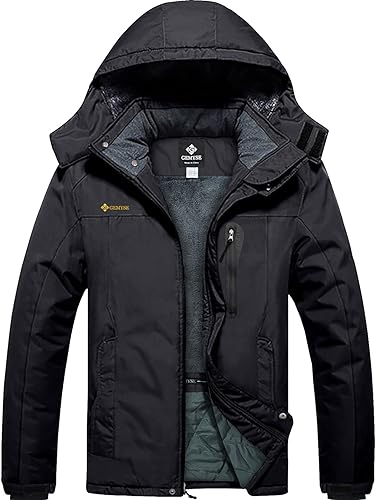 | GEMYSE Ski Jacket | Check Price |
Our Top Picks 2  | Helly Hansen Garibaldi | Check Price |
Our Top Picks 3  | Helly Hansen Alpha LIFALOFT | Check Price |
Our Selected Top 12 Insulated Jacket for Skiing Worth Your Money
This list features carefully chosen insulated jackets designed to keep you warm and comfortable on the slopes. Each jacket is reviewed for its performance, suitability for different skiers, and main strengths and weaknesses, helping you find the right option for your skiing needs.
1. GEMYSE Mens Winter Ski Jacket
Black color and classic anorak style make this jacket a solid pick for cold weather skiing. Designed with a loose fit and hooded collar, it suits those looking for comfort and warmth without compromising on basic winter protection.
Putting it on is straightforward thanks to the long sleeves and roomy cut, allowing for layering underneath without feeling tight. The hood adds extra coverage against wind and snow, making it easy to adapt to changing weather while out on the slopes or during cold winter outings.
It holds up well against cold weather as intended, providing reliable insulation and coverage for winter activities. The construction is solid with a classic look, but some may find the loose fit less tailored than expected. Most praise centers on its practical warmth, while common complaints mention limited style options beyond the solid black.
Practical warmth stands out as the jacket’s main strength, performing well under cold conditions. A common drawback is the limited variety in color, which restricts style choices to one solid shade.
Those who prioritize comfort and warmth with a relaxed fit will appreciate this jacket on the slopes. Skiers looking for more style options or a slimmer cut might want to consider alternatives.
Pros
- Loose fit allows easy layering underneath
- Hood provides extra protection from wind and snow
- Classic style works well for winter sports and casual use
- Solid black color pairs easily with winter gear
Cons
- Limited color options beyond black
- Loose fit may not appeal to those wanting a tailored look
| Specification | Details |
|---|---|
| Color | Black |
| Style | Classic |
| Coat Silhouette Type | Anorak |
| Fit Type | Loose |
| Collar Style | Hooded |
| Climate Suitability | Cold Weather |
2. Helly Hansen Garibaldi 2.0 Ski Jacket
Ideal for cold weather skiers who want a relaxed fit and reliable insulation, the Helly Hansen Garibaldi 2.0 Ski Jacket stands out with its warm, comfortable design. Its biggest strength is maintaining warmth while allowing enough room for layering and movement on the slopes.
Putting the jacket on is easy with the band collar and anorak style that offers a casual yet functional look. The relaxed fit ensures you don’t feel restricted during a full day of skiing. Its long sleeves keep the arms protected from cold winds, and the solid pattern in Opal Green adds a subtle splash of color without being flashy.
Built to perform in cold climates, the jacket stays warm even when temperatures drop. Its construction is solid, designed to handle the winter elements without being overly bulky. Many appreciate the warmth it provides, though some mention the relaxed fit might feel a bit loose for those looking for a more tailored cut.
The jacket consistently delivers solid warmth and protection from the cold, praised for keeping cozy during long days outside. Some find the relaxed fit a bit roomy, which can affect how it feels when skiing fast or layering more tightly underneath.
This jacket suits those prioritizing comfort and warmth with some extra space to move or layer. Skiers wanting a more streamlined or close-fitting jacket might look for another option with a slimmer cut.
Pros
- Effective insulation for cold weather days
- Relaxed fit allows comfortable layering
- Durable anorak silhouette protects from wind
- Long sleeves for full arm coverage
Cons
- Relaxed fit may feel loose for some
- Limited color options to choose from
| Specification | Details |
|---|---|
| Color | 494 Opal Green |
| Style | Garibaldi 2.0 Insulated Ski Jacket |
| Sleeve Type | Long Sleeve |
| Coat Silhouette Type | Anorak |
| Climate Suitability | Cold Weather |
| Fit Type | Relaxed |
3. Helly Hansen Mens Alpha LIFALOFT Ski Jacket
Helly Hansen Mens Alpha LIFALOFT Ski Jacket stands out with its insulation technology designed specifically for cold weather conditions. Ideal for regular skiers who want reliable warmth without adding bulk, it offers a balance between function and fit suitable for winter days on the slopes.
Putting it on is straightforward with a regular fit that doesn’t restrict movement during skiing. The long sleeves and solid pattern keep things simple and practical, while the rain coat silhouette helps shed moisture.
Its setup is minimal, so you can focus on your ski run instead of adjusting layers.
It performs well in cold climates, keeping warmth locked in thanks to the LIFALOFT insulation. The jacket’s build delivers dependable protection against winter chill, and its most liked feature is its warmth relative to its weight. Some find the rain coat style less tailored for deep powder days, which can feel a bit roomy.
The jacket is praised for providing reliable warmth without feeling too heavy, making it comfortable for longer ski days. Common critiques highlight its rain coat silhouette as less snug than preferred, which sometimes affects the fit on active runs in powder snow.
Those looking for solid warmth and a straightforward fit will appreciate this jacket. Skiers preferring a tighter or more technical cut might look for alternatives better suited to active, aggressive skiing styles.
Pros
- Warm insulation without heavy bulk
- Regular fit allows good mobility
- Simple solid color matches well with gear
- Effective cold weather protection
Cons
- Rain coat style feels loose for some
- Limited breathability on intense ski sessions
| Specification | Details |
|---|---|
| Color | 718 Sepia |
| Style | Alpha Lifaloft Insulated Ski Jacket |
| Sleeve Type | Long Sleeve |
| Coat Silhouette Type | Rain Coat |
| Seasons | Winter |
| Climate Suitability | Cold Weather |
4. Columbia Mens Tipton Peak III Jacket

Columbia Mens Tipton Peak III Jacket suits those skiing in cold fall weather and looking for reliable insulation. Its biggest strength is maintaining warmth without bulk, making it practical for outdoor activity in chillier conditions.
Putting it on feels comfortable due to the regular fit and long sleeves that cover well. The solid black color works in many settings, and the rain coat style helps keep you dry on damp days.
It’s easy to move around in during active skiing or other outdoor plans.
Insulation performs well against cold weather, keeping you warm through wind and light moisture. The build is straightforward but durable enough for regular use. The strongest praise is for how warm it keeps users.
Some mention the fit can be a bit roomy, which might not suit everyone.
The jacket is praised for effective insulation that keeps warmth in during cold weather, but some find the fit a bit too loose for their liking. Its rain coat style helps with light moisture, making it versatile enough for damp conditions in fall.
Great choice for those seeking warmth with a comfortable, not tight, fit during cooler outdoor days. Skiers in harsher winter or requiring a more fitted jacket should consider other options better suited for deep cold or precise sizing.
Pros
- Stays warm in cold weather
- Regular fit allows easy layering
- Rain coat style sheds moisture
- Simple solid black design
Cons
- Fit can feel roomy for some
- Only suited for fall, not extreme cold
| Specification | Details |
|---|---|
| Color | Black |
| Style | Tipton Peak III Insulated Jacket |
| Sleeve Type | Long Sleeve |
| Coat Silhouette Type | Rain Coat |
| Seasons | Fall |
| Fit Type | Regular |
5. Columbia Womens Whirlibird V Interchange Jacket

Staying warm and dry on chilly ski days feels simple with this jacket. It fits a regular silhouette and suits cold weather, making it a solid pick for casual wear on and off the slopes. Its biggest strength lies in balancing warmth and protection without feeling bulky.
Putting it on in the morning is quick thanks to its long sleeves and pointed collar, which keeps the chill off your neck. The rain coat style handles fall conditions well, so wearing it around town before or after skiing works fine. The black solid pattern keeps the look clean and easy to match with other gear.
The jacket’s cold weather suitability shows in steady insulation, keeping you comfortable during crisp days. It’s designed for fall, so heavy snow or deep winter might require layering underneath. Reviews highlight its dependable warmth and decent water resistance.
Some mention it’s not the lightest option available, and a few find the fit a bit boxy for more active use.
Many users find the jacket keeps them warm and dry effectively during typical chilly fall conditions, appreciating its straightforward style and comfort. Most common issues mention that the fit feels a bit boxy and less tailored for vigorous activities or heavy snowfall, which might limit its use in harsher environments.
Someone looking for a reliable, casual cold weather jacket for skiing warm days will likely be satisfied. Those needing something lighter or more adaptable to severe winter conditions might want to explore other options designed specifically for heavy snow and intense movement.
Pros
- Warm enough for cold fall days
- Simple black color matches easily
- Long sleeves and collar protect well
- Works as casual or ski outerwear
Cons
- Fit can feel boxy during active moments
- Not designed for heavy winter snow
| Specification | Details |
|---|---|
| Color | Black |
| Style | Casual |
| Sleeve Type | Long Sleeve |
| Coat Silhouette Type | Rain Coat |
| Seasons | Fall |
| Fit Type | Regular |
| Climate Suitability | Cold Weather |
6. Mens Winter Waterproof Ski Jacket

Perfect for cold-weather outdoor activities, this black ski jacket delivers on warmth and water resistance. Suited for anyone needing a relaxed fit with reliable protection, its biggest strength is keeping you dry and comfortable during winter sports or casual wear.
Putting it on is easy thanks to a relaxed fit and spread collar that doesn’t feel restrictive. The long sleeves cover well to keep out chilly air, and the solid black finish matches any gear. It works well over base layers and pairs with snow pants for a full winter outfit you can move in throughout the day.
Built like a raincoat, the jacket handles cold weather with effective insulation and waterproof features. Reviews highlight impressive warmth and dryness even during heavy snow. Some users mention the fit being too relaxed, which might feel bulky for those who prefer slim cuts.
The construction seems durable enough to handle regular winter sports use.
Warmth and waterproofing are praised consistently for keeping cold and moisture out during skiing or other outdoor activities. The most common complaint is the jacket’s relaxed fit, which some find less flattering or a little cumbersome under heavier layers.
Anyone looking for a dependable winter ski jacket that prioritizes dryness and comfort will appreciate this option. Those seeking a more tailored look or lightweight packability might want to explore alternatives better suited to slim-fitting or travel-ready gear.
Pros
- Keeps you dry in wet winter conditions
- Spacious spread collar allows easy layering
- Relaxed fit moves comfortably with you
- Solid black color fits various styles
Cons
- Relaxed fit may feel bulky to some
- No detailed temperature rating provided
| Specification | Details |
|---|---|
| Color | Black |
| Fit Type | Relaxed |
| Sleeve Type | Long Sleeve |
| Coat Silhouette Type | Rain Coat |
| Climate Suitability | Cold Weather |
| Seasons | Winter |
7. The North Face Mens Thermoball Eco Ski Jacket

Constructed from 100% waterproof recycled polyester, this jacket suits skiers who want reliable weather protection with eco-conscious materials. Its standout feature is the combination of a DRYVENT outer shell and two types of synthetic insulation allowing customizable layering for different conditions on the mountain.
Layering is simple thanks to the Thermoball Triclimate design, providing a separate insulating layer under the waterproof shell. The helmet-compatible hood adjusts easily to fit, and the snap-down powder skirt with elastic helps keep snow out during runs.
Breathability and seam-sealed construction make it practical for all-day use, from chilly lifts to warmer lodge breaks.
The waterproof DRYVENT 2L shell performs well in wet snow, while the recycled insulation maintains warmth without bulk. The jacket’s regular fit offers enough room to move comfortably without feeling loose. Many praise how versatile and warm it feels, but some mention the weight is on the heavier side compared to other insulated ski jackets.
This jacket is highly praised for its weatherproof shell and insulation combo keeping warmth and dryness even on demanding ski days. The most frequent complaint revolves around its weight, which can feel a bit heavy during extended wear or more active skiing.
Ideal for skiers seeking a durable, eco-friendly jacket with flexible layering options in cold weather. Those wanting a lightweight or more fitted jacket might consider other options better suited for high-mobility or warmer climates.
Pros
- 100% recycled waterproof polyester shell
- Adjustable helmet-compatible hood
- Snap-down powder skirt keeps snow out
- Layering system adapts to weather
Cons
- Heavier than some other insulated jackets
- Fit is regular, not slim or tailored
| Specification | Details |
|---|---|
| Material | 100% waterproof recycled polyester |
| Insulation | Two different synthetic insulations |
| Waterproof Finish | Non-PFC durable water-repellent (non-PFC DWR) |
| Climate Suitability | Cold Weather |
| Fit Type | Regular |
| Coat Silhouette | Anorak |
8. Helly Hansen Mens Dubliner Waterproof Jacket

Helly Hansen Mens Dubliner Waterproof Jacket catches the eye with its solid black color and band collar, ideal for cold weather. It suits those looking for a reliable waterproof jacket that balances casual style with regular fit comfort.
Its biggest strength is staying dry while keeping warmth intact during chilly fall days.
Putting on the jacket feels simple thanks to its regular fit and long sleeves that offer good coverage without bulk. It works well for daily outdoor use in fall, especially when weather turns wet and cold.
The rain coat silhouette gives it a practical shape that doesn’t restrict movement, making it easy to pair with skiing layers.
The jacket performs well at keeping water out and warmth in, handling cold weather without weighing you down. Constructed with waterproof fabric, it maintains dryness even during extended exposure to rain or snow.
Most praise highlights its water resistance and hood design. The most common complaint is that it leans more toward casual than technical ski wear.
Water resistance and warmth are the strongest features of this jacket, making it reliable in rainy and cold fall conditions. Many find the casual style appealing but note it does not offer advanced features typical of dedicated ski jackets.
Those who want a lightweight, waterproof layer for casual cold-weather activities will be satisfied. Skiers seeking specialized insulation and technical ski wear might look for alternatives designed specifically for winter sports.
Pros
- Effective water resistance for wet weather
- Comfortable regular fit for layering
- Long sleeves provide good arm coverage
- Simple and casual design
Cons
- Less technical for high-performance skiing
- Best suited for fall, not harsh winter
| Specification | Details |
|---|---|
| Color | Black |
| Style | Helly Hansen Dubliner Insulated Jacket |
| Sleeve Type | Long Sleeve |
| Coat Silhouette Type | Rain Coat |
| Seasons | Fall |
| Fit Type | Regular |
| Climate Suitability | Cold Weather |
9. MOERDENG Womens Ski Jacket

Designed for cold-weather enthusiasts, this ski jacket suits anyone wanting reliable warmth and a regular fit. Its biggest strength lies in keeping you comfortable during winter sports while sporting a bright pink look that stands out on snowy slopes.
Putting it on is straightforward thanks to the spread collar and long sleeves that allow for easy layering underneath. Its solid pattern and anorak silhouette keep things simple yet functional, fitting well without feeling tight or restrictive.
You can wear it for snowboarding days when sticking to a regular fit is important for movement and comfort.
It handles cold weather well, maintaining warmth consistently through its winter-ready design. The solid construction means it holds up on slopes, though some users have mentioned it could be heavier than expected. Strong construction comes at the expense of a bit more weight, but warmth and style remain its top assets.
Warmth retention gets consistent praise, turning the jacket into a reliable companion on winter days. Some feel it carries more weight than expected, which can be noticeable during prolonged activity.
Those prioritizing warmth and straightforward design will appreciate this jacket’s qualities, while skiers looking for ultra-light gear or diverse styling might want to explore other options.
Pros
- Keeps warmth effectively in cold conditions
- Regular fit allows comfortable layering
- Bright pink color makes the product easier to see.
- Simple anorak style suited for skiing
Cons
- A bit heavier than lightweight alternatives
- Limited pattern options for style variety
| Specification | Details |
|---|---|
| Color | Pink |
| Style | Ski Jacket |
| Sleeve Type | Long Sleeve |
| Coat Silhouette Type | Anorak |
| Climate Suitability | Cold Weather |
| Fit Type | Regular |
10. Quiksilver Mens Insulated Winter Ski Jacket

Cold winter days on the slopes require a jacket that keeps you warm without bulk, and this insulated ski jacket in Iron Gate color fits the bill for regular fits. It’s great for anyone looking for a dependable, water-resistant coat to handle cold weather during outdoor activities.
Putting the jacket on is straightforward thanks to its regular fit and long sleeves, which provide good coverage. The anorak style makes it easy to throw on before heading out. Its water-resistant material holds up well during light snow or showers, making it practical for various winter conditions without feeling too stiff or heavy.
The jacket performs solidly for cold climates, helping to keep the chill at bay during all-day skiing or outdoor adventures. It’s constructed with materials meant to resist wet conditions while maintaining warmth. Most praise centers on how reliably warm it is, while some mention that water resistance isn’t as strong during heavier precipitation.
The jacket receives consistent praise for keeping users warm during cold outings, but some note that its water resistance can fall short in heavier wet conditions. This points to good performance in typical winter weather but limits during intense precipitation.
Anyone needing a dependable warm layer for skiing or outdoor winter activities in cold, but not excessively wet, environments will find this jacket suitable. Those facing heavy rain or seeking a fully waterproof option might want to look elsewhere.
Pros
- Reliable water resistance for light snow
- Comfortable regular fit
- Warm insulation suitable for cold weather
- Durable anorak silhouette
Cons
- Not fully waterproof in heavy rain
- Limited color options
| Specification | Details |
|---|---|
| Color | Iron Gate |
| Style | Water Resistant Insulated Winter Coat Snow Ski Jacket |
| Sleeve Type | Long Sleeve |
| Coat Silhouette Type | Anorak |
| Seasons | Winter |
| Fit Type | Regular |
11. FREE SOLDIER Mens Winter Ski Jacket

Designed for cold weather conditions, the FREE SOLDIER Mens Winter Ski Jacket comes in a camouflage pattern and offers a regular fit with a hooded collar. It works well for outdoor enthusiasts looking for warmth and protection during winter activities, especially around Christmas time.
Putting it on is simple thanks to its regular fit and long sleeves, which provide good coverage without feeling restrictive. The anorak silhouette and handy pockets make it easy to carry essentials on ski days. Its hood adds extra protection against wind and snow, making daily wear comfortable even when temperatures drop significantly.
The jacket performs solidly against cold weather with a design suited for winter climates. The build quality focuses on warmth and practical use rather than lightweight flexibility.
Most users appreciate its warmth and pocket placement, while some mention that the fit is a bit roomy and the camouflage style may not be for everyone.
Many mention the jacket keeps them well insulated during cold weather, especially in winter skiing conditions. The most frequent complaint is about the fit, described as roomier than expected and less tailored for slim wearers.
Those wanting reliable warmth and a functional jacket with pockets will appreciate it. Those preferring a more fitted or fashion-neutral look might want to explore other options.
Pros
- Good warmth for cold weather
- Useful hooded collar for added protection
- Practical pocket design
- Regular fit comfortable for layering
Cons
- Fit can feel a bit roomy
- Camouflage pattern not for everyone
| Specification | Details |
|---|---|
| Color | Black |
| Style | |
| Sleeve Type | Long Sleeve |
| Coat Silhouette Type | Anorak |
| Pattern | Camouflage |
| Fit Type | Regular |
| Collar Style | Hooded |
| Climate Suitability | Cold Weather |
| Occasion | Christmas |
12. Mens Ski Jacket

Men looking for a solid winter jacket that works well for skiing and other outdoor activities will find this anorak-style piece a good match. It suits those who want a regular fit with modern styling and prioritize warmth and comfort in cold weather settings.
Putting it on is straightforward thanks to the regular fit and long sleeves that provide good coverage without feeling bulky. Its spread collar adds to comfort around the neck, while solid black color offers a versatile look.
Daily use involves keeping warm during cold winter conditions, making it a practical choice for ski days or other cold outdoor adventures.
The jacket performs well in cold weather, managing to balance warmth and mobility reasonably. Built as a winter collection item with a solid pattern, it handles typical ski-day conditions with reliable insulation.
Most praise goes to its comfortable fit and effective cold protection. The main downside mentioned is the lack of additional features like ventilation or pockets common in more technical ski jackets.
The most noted positive aspect revolves around its comfortable fit and warmth during cold winter outings. The most frequent drawback concerns the absence of functional extras like pockets or vents, which limits versatility during variable skiing conditions.
Those who prioritize a straightforward, warm jacket without many bells and whistles will appreciate this option. Skiers needing more technical features or adjustable ventilation should look for other alternatives better suited for intense or varying weather conditions.
Pros
- Modern style fits well with winter gear
- Warm enough for cold winter conditions
- Comfortable spread collar design
- Regular fit allows layering underneath
Cons
- Lacks extra pockets for storage
- No ventilation options for temperature control
| Specification | Details |
|---|---|
| Color | Black |
| Coat Silhouette Type | Anorak |
| Fit Type | Regular |
| Collar Style | Spread |
| Climate Suitability | Cold Weather |
| Season | Winter |
Best Insulated Jackets for Skiing Compared Side by Side
| Product | Season | Fit Type | Collar Style | Occasion |
|---|---|---|---|---|
| GEMYSE Ski Jacket | Winter | Loose | Hooded | Christmas |
| Helly Hansen Garibaldi | All | Relaxed | Band | – |
| Helly Hansen Alpha LIFALOFT | Winter | Regular | – | – |
| Columbia Tipton Peak III | Fall | Regular | – | outdoor activities |
| Columbia Whirlibird V | Fall | Regular | Point | – |
| Mens Waterproof Ski Jacket | Winter | Relaxed | Spread | outdoor activities |
| The North Face Thermoball Eco | Fall | Regular | Hooded | outdoor activities |
| Helly Hansen Dubliner | Fall | Regular | Band | Casual |
| MOERDENG Womens Ski Jacket | Winter | Regular | Spread | Snowboarding |
| Quiksilver Insulated Ski Jacket | Winter | Regular | – | outdoor activities |
| FREE SOLDIER Ski Jacket | – | Regular | Hooded | Christmas |
| Generic Mens Ski Jacket | Winter | Regular | Spread | outdoor activities |
- SeasonWinter
- Fit TypeLoose
- Collar StyleHooded
- OccasionChristmas
- SeasonAll
- Fit TypeRelaxed
- Collar StyleBand
- Occasion–
- SeasonWinter
- Fit TypeRegular
- Collar Style–
- Occasion–
- SeasonFall
- Fit TypeRegular
- Collar Style–
- Occasionoutdoor activities
- SeasonFall
- Fit TypeRegular
- Collar StylePoint
- Occasion–
- SeasonWinter
- Fit TypeRelaxed
- Collar StyleSpread
- Occasionoutdoor activities
- SeasonFall
- Fit TypeRegular
- Collar StyleHooded
- Occasionoutdoor activities
- SeasonFall
- Fit TypeRegular
- Collar StyleBand
- OccasionCasual
- SeasonWinter
- Fit TypeRegular
- Collar StyleSpread
- OccasionSnowboarding
- SeasonWinter
- Fit TypeRegular
- Collar Style–
- Occasionoutdoor activities
- Season–
- Fit TypeRegular
- Collar StyleHooded
- OccasionChristmas
- SeasonWinter
- Fit TypeRegular
- Collar StyleSpread
- Occasionoutdoor activities
How to Choose the Right Insulated Ski Jacket
Choosing the right insulated ski jacket involves focusing on warmth, waterproofing, and breathability to stay comfortable in changing weather conditions. Prioritizing fit and durability ensures long-lasting protection, saving money and preventing discomfort on the slopes.
Insulation Quality
Running fingers over a jacket with uneven padding reveals a lot about how it performs during a full day on the slopes. Jackets with synthetic insulation tend to hold up better in wet snow or damp conditions, whereas down excels at providing warmth with less bulk but loses much of its insulating power when wet. The thickness and distribution of insulation really count, especially around the chest and back, where heat retention is critical.
Thin or unevenly insulated spots can quickly lead to cold drafts.
A balanced jacket keeps warmth consistent, avoiding chilly patches that become noticeable after a few hours. Look for jackets that specify grams per square meter (g/m²) for synthetic fill or fill power ratings (600-800 fill power for down).
This information helps assess how much warmth is packed in without excess weight.
Waterproofing and Breathability
Jackets that fail to keep out snow and moisture turn a fun ski trip into a chilly, uncomfortable day. A waterproof rating around 10,000 mm begins to offer good protection against melting snow, while higher ratings edge closer to full rainproof capability. A jacket’s breathability, measured in grams per square meter (g/m²) for vapor transmission, is equally crucial to prevent sweat from soaking the insulation layer.
Sealed seams block water from creeping in through stitching lines, and waterproof zippers are a small but significant feature that guards against unexpected moisture intrusion. Without these, dampness can build up inside, leaving you feeling clammy and cold by mid-afternoon.
Fit and Mobility
Reaching for ski poles or bending to adjust bindings requires a jacket that doesn’t restrict mobility. A cut designed with active layering in mind allows wearing a mid-layer underneath without feeling squeezed. The length of sleeves should cover wrists completely to prevent snow from slipping inside, and the jacket’s hem often needs adjustment to stay tight around the waist.
Adjustable cuffs, hems, and hoods matter because skiing involves frequent movement and changing weather. A hood compatible with helmets that can be tightened securely makes a big difference on windy chairlift rides.
Without these features, cold air and snow can easily find their way in during aggressive downhill runs.
Weight and Packability
Carrying extra weight on long ski days drains energy and limits flexibility. Jackets weighing between 500 and 800 grams typically hit the sweet spot for balancing warmth and freedom of movement.
Compressibility plays a role too; the ability to pack a jacket down into a small bundle helps when stowing it in a backpack or taking breaks.
More insulation usually means more bulk, so finding the right balance is key. Jackets with synthetic insulation often compress better and recover faster, lasting over multiple day trips without losing loft.
Overly bulky jackets can get in the way on narrow trails or during lift rides.
Durability and Protection
An overlooked aspect is how well jackets stand up to wear and tear from poles, backpacks, and rough terrain. Reinforced fabric at the elbows and shoulders extends the life of outer layers, especially on jackets used frequently. Abrasion-resistant materials help maintain appearance and function after repeated use.
Extra features like powder skirts prevent snow from sneaking under the jacket during deep powder runs. A helmet-compatible hood protects the head without constraining movement or interfering with goggles. These practical additions greatly improve protection and comfort across varied backcountry conditions.
Maximizing Warmth: Layering Techniques to Pair with Your Insulated Ski Jacket
Layering plays a crucial role in making the most out of an insulated ski jacket, especially on cold days. The key is to balance warmth and mobility without adding bulk.
Start with a moisture-wicking base layer to keep sweat away from your skin, which prevents chill during rest periods on the slopes. Follow this with a mid-layer designed for insulation, such as a fleece or lightweight down, that traps heat effectively but still allows breathability.
The insulated ski jacket acts as your outer shell, protecting against wind and snow. Choose a jacket that works well with your chosen mid-layer; some jackets have a slimmer fit for easier layering. Adjusting layers according to temperature and exertion levels helps manage comfort and warmth throughout the day.
Using breathable fabrics across all layers significantly reduces the risk of overheating during intense skiing sessions.
How to Properly Clean and Maintain Your Insulated Ski Jacket for Longevity
Cleaning an insulated ski jacket properly preserves its thermal properties and water resistance. Most jackets benefit from a gentle machine wash with a detergent formulated for technical outerwear. Avoid fabric softeners as they can clog the insulation and reduce breathability.
Machine drying on low heat can help restore loft to synthetic or down insulation but double-check the care label for specific instructions.
Regular maintenance includes spot cleaning dirt and refreshing the water repellent finish. A quick spray or wash-in treatment designed for waterproof fabrics brings back water beading properties.
Store the jacket loosely folded or hung in a cool, dry place. Avoid compressing the insulation for long periods to keep the jacket’s shape and effectiveness intact over multiple seasons.
Top Safety Considerations When Choosing and Using an Insulated Ski Jacket
Safety considerations for an insulated ski jacket extend beyond just warmth and waterproofing. Visibility on the slopes is crucial, so jackets with bright colors or reflective detailing increase your chances of being seen by others.
Look for features that improve mobility and freedom of movement, reducing distractions or accidents while skiing.
Consider jackets with reinforced areas at high-impact zones like elbows and shoulders to protect against abrasion during falls. Integrated hood adjustments and secure cuffs prevent snow intrusion, maintaining core warmth. Lastly, ensure the jacket fits well over your layering system without restricting your range of motion, helping you stay both safe and comfortable throughout your skiing activities.
People Also Asked
How Do I Properly Size an Insulated Jacket for Skiing?
Choose a size that allows you to wear base layers comfortably without feeling restricted. Make sure you can move your arms easily and that the jacket covers your waist to keep snow out. Trying it on with gloves or mitten liners helps ensure enough room in the sleeves.
What Is the Best Way to Care for My Ski Jacket?
Wash your ski jacket according to the care label, usually with a gentle detergent made for technical fabrics. Avoid fabric softeners since they can damage water repellency. After washing, reapply a durable water repellent treatment to maintain protection against snow and moisture.
Are Insulated Ski Jackets Safe for Extreme Cold Weather?
Insulated ski jackets designed for cold weather provide good warmth but layering is still important in extreme conditions. Look for options with quality down or synthetic fill and windproof shells. Wearing moisture-wicking layers underneath prevents dampness that could reduce insulation’s effectiveness.
How Long Does an Insulated Ski Jacket Typically Last?
A well-maintained insulated ski jacket can last 5 to 7 years, depending on the frequency of use and conditions. Zippers and seams tend to wear first, so inspect and repair them early. Proper storage in a cool, dry place extends the material’s life and retains loft in the insulation.
What Common Problems Should I Watch for with Ski Jackets?
Common issues include worn-out zippers, loss of water repellency, and insulation clumping after washing. Seams can also leak if not sealed properly. Regularly check these spots and address any problems quickly; small repairs often prevent bigger damage during the ski season.
Conclusion
Choosing the right insulated jacket for skiing comes down to warmth, waterproofing, and fit. You want a jacket that keeps you dry and warm without feeling bulky, so picking one with good insulation and a reliable water-resistant shell is essential.
Make sure it fits well to allow layering underneath without restricting movement.
Consider where and how often you’ll ski before buying. Skiing often or facing harsh conditions means investing in a durable jacket is a smart choice. For occasional use, something more affordable might work.
Check the comparison table and detailed picks above to find the best balance for your needs and budget.

I’m Grant Mitchell, a firearms and hunting writer with years of experience at the range and in the field. I write about rifles, shotguns, handguns, optics, safe storage, cleaning, and responsible ownership, along with practical hunting tips. My goal is to share accurate, safety-first information that helps you choose the right firearm, maintain it properly, and become a more confident shooter.