Top 12 Best Waterproof Jacket for Backpacking You Need Now
Ending up soaked on a multi-day trek because your jacket didn’t hold up is something many backpackers know too well. The wrong jacket can turn a planned adventure into a miserable slog, which is why choosing the best waterproof jacket for backpacking matters more than most expect.
Cheap materials tend to soak through quickly, and a bulky jacket can weigh down your pack and restrict movement.
The best waterproof jacket for backpacking usually combines a membrane like Gore-Tex or similar with a durable water repellent (DWR) coating, aiming for at least 10,000 mm water resistance to keep rain out while allowing sweat to escape. Fit makes a big difference, too: a jacket should comfortably fit over layers without feeling tight, avoiding water seepage at sleeves or underarms. Breathability and ease of cleaning also set the good ones apart, since damp gear often gets dirty quickly on the trail and needs to dry out without clinging to you.
Need a Quick Check?
| Image | Product | Price |
|---|---|---|
Our Top Picks 1  | Outdoor Ventures Rain Jacket | Check Price |
Our Top Picks 2  | The North Face Antora | Check Price |
Our Top Picks 3  | Lightweight Waterproof Jacket | Check Price |
Our Selected Top 12 Waterproof Jacket for Backpacking Worth Considering
This list features twelve waterproof jackets ideal for backpacking, highlighting different styles and features to suit various needs and conditions. Each review explains the jacket’s performance, its best use scenarios, and outlines its strengths and potential drawbacks to help readers choose wisely.
1. Outdoor Ventures Mens Rain Jacket
Crafted with lightweight materials and a regular fit, this rain jacket suits men seeking reliable protection during mild weather backpacking trips. Its standout feature is a practical hooded design that keeps rain off without adding bulk.
Putting it on is simple, thanks to the cuff sleeves that help seal out moisture. The olive color blends well with outdoor gear, and the solid pattern keeps it low-key.
Wearing it throughout the day offers comfort in drizzles or light rain thanks to a breathable yet water-resistant fabric. It works well for rain but is not tailored for colder, harsher climates.
Strong water resistance and functional build make it dependable for keeping dry in wet conditions, albeit mostly mild rain. The jacket’s straightforward construction means fewer chances of snagging or wear, though some may find it less warm in cooler, wet weather.
Multiple reviews mention satisfaction with its weather protection but note it’s better suited for mild rather than stormy conditions.
Strong points include effective water resistance and a practical hood that works well in light rain. The most common issue is limited warmth and protection in colder, harsher weather.
Those hiking in mild to moderate rain will find this jacket a solid choice. People expecting to face heavy storms or freezing temperatures should consider options designed for harsher conditions.
Pros
- Functional hood for good head coverage
- Lightweight for easy packing
- Cuff sleeves help block wind and rain
- Subtle olive color blends with gear
Cons
- Only suitable for mild weather conditions
- Fit may feel loose for some users
| Specification | Details |
|---|---|
| Color | Olive |
| Style | Men’s Rain Jacket |
| Sleeve Type | Cuff Sleeve |
| Climate Suitability | Mild Weather |
| Fit Type | Regular |
| Collar Style | Hooded |
2. The North Face Mens Antora Jacket
Waterproof protection and windproof strength stand out immediately with this jacket, making it ideal for anyone tackling cold, wet outdoor conditions. Suited for backpacking and fall adventures, the regular fit allows comfortable movement without feeling bulky, with an adjustable hood adding extra weather defense.
Wearing it day-to-day is straightforward thanks to the adjustable 3-piece hood that fits snugly and stays put during wind and rain. The long sleeves and hood combine well to keep the chill out, while the rain coat silhouette offers enough coverage without weighing you down.
It handles setup fast and packs away easily when the weather clears.
Mainly designed for cold weather, the jacket does a solid job of keeping moisture and wind off your body during outdoor activities. The overall build feels sturdy and reliable, with Tnf Black-npf color holding up well through various conditions. One common note is the fit sometimes runs slightly large, which might affect layering choices for some.
Most users appreciate the jacket’s strong waterproof and windproof performance combined with an adjustable hood that really helps during harsh weather. However, some note the fit runs larger, which could be inconvenient for smaller frames or precise layering.
Backpackers and outdoor enthusiasts in cooler climates will find it a dependable choice that balances protection with comfort. Those needing a slimmer or lighter option might want to consider other jackets tailored for warmer or more variable conditions.
Pros
- Highly waterproof and windproof in cold weather
- Adjustable 3-piece hood for better fit
- Regular fit allows comfortable layering
- Durable fabric with solid color retention
Cons
- Fit tends to run a bit large for some
- Limited color options unless opting for bigger sizes
| Specification | Details |
|---|---|
| Color | Tnf Black-npf |
| Style | Antora Waterproof Jacket (Standard & Big Size) |
| Climate Suitability | Cold Weather |
| Climate Suitability | Cold Weather |
| Fit Type | Regular |
| Hood | Adjustable 3-piece Hood |
3. Mens Lightweight Waterproof Rain Jacket
Lightweight design and reliable waterproofing make this jacket a solid pick for backpackers who want to stay dry without extra bulk. Best suited for mild weather and outdoor activities, it offers a regular fit and hood for straightforward protection against rain.
Putting on the jacket is quick thanks to its simple hooded collar and long sleeves that cover well. Its pine green color blends easily in nature, while the solid pattern keeps it clean-looking. The regular fit allows layering underneath without feeling tight, making it practical during unpredictable weather on the trail.
The main job of keeping rain out is handled well enough for mild weather conditions, matching what it promises. The build shows attention to detail in fabric quality yet no special mention of advanced materials.
Most praise the lightness and packability, but some find it less suited for heavy downpours or colder climates.
Users appreciate the jacket’s light weight, making it easy to carry while hiking or backpacking. Some find it doesn’t fully block out heavier rains, limiting its use to milder showers and weather conditions. The combination of a regular fit with a hood aids comfort but won’t replace heavier outerwear in tough storms.
Those who enjoy day hikes or backpacking in mild weather will find this jacket practical and easy to use. People expecting protection in severe rain or cold should look for a jacket with thicker insulation and stronger waterproofing features.
Pros
- Lightweight, easy to carry on long hikes
- Regular fit allows comfortable layering
- Hooded collar provides good head coverage
- Suitable for all seasons in mild climates
Cons
- Not ideal for heavy rain or storms
- Lacks insulation for colder weather
| Specification | Details |
|---|---|
| Color | Pine Green |
| Climate Suitability | Mild Weather |
| Fit Type | Regular |
| Coat Silhouette Type | Rain Coat |
| Season | All |
| Sleeve Type | Long Sleeve |
4. Columbia Mens Watertight II Jacket

Backpacking when rain hits can turn a great trip into a soggy mess, but the Columbia Mens Watertight II Jacket handles wet weather like a champ. It’s perfect for anyone needing solid rain protection without bulk, especially during fall hikes.
Its standout feature is a reliable waterproof design combined with a hood for head coverage.
Getting it ready is as simple as pulling on the jacket and tightening the hood when clouds gather. The regular fit means it won’t feel tight under a pack strap while still allowing movement. It’s long-sleeved with a solid pattern, so it keeps water out effectively during steady drizzles or tougher showers on the trail.
You won’t need to worry about changing layers much thanks to the design.
This jacket does a great job of keeping water out while staying breathable enough to prevent sweat build-up. The build feels durable without unnecessary weight, making it practical for outdoor activities in cold weather. The top praise highlights its consistent waterproofing.
Some people mention that the fit runs a bit larger than expected, which might affect layering choices.
The jacket excels at blocking rain consistently, making it dependable for wet conditions. Reviewers often note the roomy fit, which is appreciated by some but can be bulky under backpacks or for slimmer users.
Anyone planning outdoor activities in cool, wet weather will find it effective, especially during fall. People needing a more tailored fit or warmer insulation might want to consider other options.
Pros
- Reliable waterproofing keeps you dry
- Hood provides good head protection
- Regular fit allows comfortable layering
- Durable and lightweight for hiking
Cons
- Fit can run larger than typical sizes
- Best suited for fall, less so for extreme cold
| Specification | Details |
|---|---|
| Color | Columbia Grey |
| Style | Watertight II Jacket |
| Sleeve Type | Long Sleeve |
| Coat Silhouette Type | Rain Coat |
| Seasons | Fall |
| Fit Type | Regular |
| Collar Style | Hooded |
5. Pioneer Camp Mens Packable Puffer Jacket

Military Green color and loose fit make the Pioneer Camp Mens Packable Puffer Jacket a solid choice for cold weather backpacking. Its quilted design is tailored for winter use and appeals to those needing a warm, packable jacket that won’t weigh down a backpack.
Setting the jacket up is simple since it is lightweight and packable, which means it folds down easily for storage. The cuff sleeves help seal out cold air during outdoor activities.
Its band collar feels comfortable around the neck and complements the loose style that allows layering underneath without feeling tight or restrictive.
The jacket’s quilted silhouette holds insulation well, providing reliable warmth throughout chilly days. Military Green offers a subtle, outdoor-ready look. Some mention it runs a bit loose, which might not suit those wanting a more fitted coat.
Cleaning and durability details are minimal, so care should be taken during longer backpacking trips.
Warmth is a highlight thanks to the quilted insulation, but the loose fit is commonly noted as a drawback for those preferring a closer fit. The jacket performs reliably in cold weather but isn’t heavily detailed in durability or cleaning guidance.
Anyone looking for a warm, packable winter jacket with a relaxed fit will find this suitable. Those wanting a snugger or more technical option might want to explore other jackets designed for tighter fits or more rugged use.
Pros
- Lightweight and easy to pack away
- Warm quilted design ideal for cold
- Loose fit allows layering freedom
- Band collar adds neck comfort
Cons
- Loose fit may not suit everyone
- Lacks detailed care instructions
| Specification | Details |
|---|---|
| Color | Military Green |
| Fit Type | Loose |
| Coat Silhouette Type | Quilted |
| Sleeve Type | Cuff Sleeve |
| Climate Suitability | Cold Weather |
| Seasons | Winter |
6. Outdoor Ventures Mens Softshell Jacket

Backpackers tackling cold weather in fall, spring, and winter will find this jacket fits the bill with its practical regular fit and weather defense. Its single biggest strength lies in keeping you warm and shielded from chill while being simple to wear and carry.
Putting it on is easy with its hooded collar that adds protection without bulk. The cuff sleeves help block out drafts, making it comfortable throughout active days outdoors. Its solid black color fits well with any gear, suitable for layered setups or lone use during cooler spell.
Cleaning stays straightforward as the fabric doesn’t attract grime quickly.
Constructed to stand up in cold conditions, it performs reliably in cold weather climates, covering basics without fuss. The anorak silhouette offers roomy movement, though some note it may feel a bit heavy when fully loaded.
The material is durable, though heavier than ultralight options some adventurers might prefer.
Most users appreciate how well it retains warmth in cold weather and the comfort offered by the hood and cuff sleeves. The main issue frequently mentioned is the jacket’s weight, which some find a bit cumbersome during longer treks.
Anyone planning backpacking in chilly but not overly wet conditions will find it suits their needs well. Those who prioritize lighter gear or need full waterproofing may want to explore other jackets more specialized for those demands.
Pros
- Effective warmth for cold weather conditions
- Hood and cuff sleeves block cold air well
- Regular fit allows layering without bulk
- Solid black color coordinates with backpacking gear
Cons
- Feels heavier compared to ultralight jackets
- Not designed for heavy rain protection
| Specification | Details |
|---|---|
| Color | Black |
| Style | Men’s Softshell Jacket |
| Sleeve Type | Cuff Sleeve |
| Coat Silhouette Type | Anorak |
| Seasons | Fall, Spring, Winter |
| Fit Type | Regular |
| Collar Style | Hooded |
| Climate Suitability | Cold Weather |
7. 33,000ft Mens Fleece Lined Rain Jacket

Black color and fleece lining make the 33,000ft Mens Fleece Lined Rain Jacket a great pick for cold-weather backpacking. It suits anyone needing a warm, waterproof layer that holds up well in fall and spring while keeping weight and bulk in check. Its strength lies in combining warmth and water resistance in one simple jacket.
Putting it on feels natural thanks to the regular fit and hooded collar, which adds protection from rain and wind. It works well as a casual or outdoor jacket, making it versatile for long days outside. The windbreaker style means you can move freely, and the long sleeves do a solid job at keeping chill out without restricting motion during hikes.
The jacket manages to stay warm through cold weather while keeping moisture against the skin minimal. It has a sturdy build with a solid coat silhouette that’s perfect for wet conditions. Many notes praise its cozy fleece lining, though some mention the fit runs a bit larger than expected, which might affect layering choices.
The jacket receives strong praise for its warm fleece interior that keeps cold weather at bay, making it comfortable during extended outdoor use. Its regular fit sometimes runs larger than expected, which might complicate shoulder or sleeve length preferences for some people.
Those looking for a cold-weather waterproof jacket with a good balance of warmth and dryness will appreciate this model. People needing something less bulky or suited for extreme winters should consider other options designed specifically for those conditions.
Pros
- Warm fleece lining suitable for cold climates
- Water-resistant fabric keeps moisture out
- Hooded collar adds extra rain protection
- Regular fit comfortable for layering
Cons
- Fit can run larger than indicated
- Limited use in heavy winter or summer heat
| Specification | Details |
|---|---|
| Color | Black |
| Style | Windbreaker |
| Sleeve Type | Long Sleeve |
| Coat Silhouette Type | Anorak |
| Seasons | All, Fall, Spring |
| Climate Suitability | Cold Weather |
8. ANYOO Hooded Rain Poncho

ANYOO Hooded Rain Poncho is a roomy, waterproof jacket perfect for backpackers who need solid rain protection. The standout feature is its PU 8000MM waterproof rating paired with a ripstop polyester build that keeps both you and your backpack dry in heavy rain.
Putting on the poncho is quick thanks to its loose fit and adjustable drawstring hood. The broad arm holes promote airflow, preventing overheating on long hikes. Side hook-and-loop fasteners and snap buttons tailor the fit around different body sizes, providing comfort without restricting movement during outdoor activities.
Water resistance performs impressively with seam sealing that blocks leakage well. The sturdy 210T ripstop polyester withstands rainy conditions without tearing easily.
Positive feedback often highlights the protection for backpack gear, while a common gripe notes that the poncho’s loose cut can feel bulky in wind.
This poncho reliably seals out heavy rain and keeps gear dry, which is the main reason it’s praised. The main drawback is the loose, oversized cut that can flap and feel cumbersome when it’s windy, limiting its comfort in more variable conditions.
Ideal for backpackers who value waterproof coverage and ventilation over a tight fit. Those needing more wind protection or warmth might prefer a more fitted jacket with sleeves instead.
Pros
- Protects both user and backpack from heavy rain
- Adjustable hood and side fasteners for secure fit
- Breathable with loose arm holes for airflow
- Durable ripstop polyester resists tears
Cons
- Loose fit can feel bulky in strong wind
- No sleeves may expose arms in colder weather
| Specification | Details |
|---|---|
| Material | 210T ripstop polyester with TPU coating |
| Waterproof Rating | PU 8000MM |
| Fit Type | Loose |
| Style | Outdoor Poncho |
| Seasons | All |
| Color | Army Green |
9. Eddie Bauer Mens Rainfoil Hooded Jacket

Rainfoil Weatheredge Hooded Jacket fits well into daily backpacking routines where light, dependable waterproofing is key. Suited for mild weather hikers who need a regular fit raincoat that’s easy to pack and carry, it shines in its balance of waterproof protection and simple, no-fuss use.
Pulling on the jacket feels natural thanks to the regular fit and long sleeves, which allow enough room for layering underneath. The hood covers well, guarding against sudden showers without tightening your view.
Being packable, it tucks away neatly when sun comes back, making it a practical choice for unpredictable weather days on the trail.
The jacket holds up well against rain, working as expected for a waterproof shell designed for milder conditions. Reviews commonly praise its ability to keep water out while remaining breathable. Some found the fit to be a bit loose, which could let cold air in on chillier days, but most appreciate the easy, comfortable cut.
The jacket effectively keeps you dry during light to moderate rain while being comfortable to wear with layers underneath. Common feedback notes the sizing is somewhat roomy, which means wind might sneak in on cooler days.
People frequently hiking in temperate environments will find this jacket meets their needs well. Those needing a tighter fit or heavier insulation for colder or rougher weather should look elsewhere.
Pros
- Good waterproof protection in mild conditions
- Packable and lightweight for easy transport
- Regular fit allows layering underneath
- Hood provides solid rain coverage
Cons
- Fit can feel loose for active users
- Not suited for very cold or harsh weather
| Specification | Details |
|---|---|
| Color | Black Recycled |
| Style | Rainfoil Weatheredge Waterproof Packable Hooded Rain Jacket |
| Sleeve Type | Long Sleeve |
| Fit Type | Regular |
| Climate Suitability | Mild Weather |
| Occasion | outdoor activities |
10. MARMOT Mens Precip Eco Rain Jacket

Perfect for backpackers on a budget looking for solid waterproof protection, the Marmot Men’s Precip Eco Rain Jacket stands out for its reliable waterproof fabric made from recycled nylon. It suits those who need a dependable rain shell for various outdoor activities without unnecessary bulk.
Getting ready involves adjusting the Velcro cuffs and drawcord hem to lock out drafts, which makes a noticeable difference when rain hits. The hood rolls neatly into the collar, so it stays out of the way during dry spells. PitZips under the arms provide useful ventilation when things warm up during a hike or jog.
Workmanship is practical with fully sealed seams preventing leaks and a PFC-free DWR coating that responsibly repels water. The fabric feels durable yet lightweight for fall and mild winter use. Most find it comfortably breathable, while some wish for a bit more warmth lining for colder weather.
The jacket is praised for its dependable waterproofing and breathability during active use in rain. Its most common drawback is not providing enough warmth for colder days, which limits its use to milder conditions. The adjustable features help maintain comfort in shifting weather.
People active in running, hiking, or golf during wet but moderate temperatures will appreciate this jacket. Those in need of serious insulation should consider layering options or a heavier coat designed for winter extremes.
Pros
- Fully waterproof with sealed seams
- Adjustable cuffs and hem for tailored fit
- Eco-friendly recycled nylon fabric
- Ventilation via PitZips keeps air flowing
Cons
- Not insulated enough for very cold weather
- Hood may feel small when fully worn
| Specification | Details |
|---|---|
| Material | 100% Recycled Nylon |
| Waterproof Technology | Marmot NanoPro nylon ripstop fabric with fully sealed seams |
| Ventilation | PitZips |
| Fit Type | Classic |
| Seasons | Fall/Winter |
| Color | Arctic Navy |
11. BAERSkin Heavy-Storm Rain Jacket 2.0

Cut from a material designed for cold weather, this Ocean Teal rain jacket suits those tackling fall and winter backpacking trips. Its biggest strength lies in protecting against heavy storms while maintaining a comfortable, regular fit that allows for layering underneath.
Putting it on feels straightforward with its long sleeves and standard rain coat silhouette, making it familiar and easy to wear throughout outdoor activities. The solid color ensures it doesn’t stand out oddly, and the fit supports movement without feeling tight, crafted to handle colder temperatures.
Performance-wise, it manages wet and cold conditions solidly, keeping the wearer dry. Its build supports consistent use in harsh climates.
Reviews praise its reliability in storm conditions, though some mention it could feel bulky for ultralight backpacking where minimizing weight matters most.
Reliable protection in heavy storms ranks as the jacket’s top strength, but it can feel bulky for those prioritizing ultralight gear. It performs well keeping cold and wet weather at bay, perfect for layering on cold days.
Best choice for backpackers facing cold, wet climates who want durability and coverage. Lightweight gear seekers might want to explore more minimal options. It fits well and is built for colder seasons, not warmer or highly aerobic hiking.
Pros
- Warm and protective in cold, stormy weather
- Comfortable regular fit for layering
- Simple, solid Ocean Teal color
- Designed specifically for outdoor activities
Cons
- Tends to feel bulky for ultralight backpacking
- No details on breathability or ventilation
| Specification | Details |
|---|---|
| Color | Ocean Teal |
| Style | Rain Jacket |
| Sleeve Type | Long Sleeve |
| Coat Silhouette Type | Rain Coat |
| Seasons | Fall, Winter |
| Fit Type | Regular |
12. MARMOT Mens Cascade Rain Jacket

Trail Blue color stands out as soon as you see this jacket, making it a good pick for anyone wanting a reliable waterproof layer during fall and winter backpacking. Its biggest strength lies in its straightforward, regular fit that works well for everyday outdoor use.
Putting the jacket on is simple thanks to the hooded band collar, which adds some protection without feeling bulky. The long sleeves are roomy enough for layering underneath when the temperature drops, and the solid pattern keeps it looking clean without any distractions. It handles daily activities as a dependable raincoat without fuss.
The waterproof Cascade design does a solid job keeping rain off during wet conditions, making it functional for wet weather hiking and backpacking. The jacket is built with materials meant to repel water while maintaining breathability, striking a practical balance.
Frequent users note it works well to stay dry, but some mention it can feel a bit stiff at first.
The jacket is praised for keeping users dry effectively during persistent rain, making it a dependable choice for wet conditions. On the downside, some find the material stiff when worn for the first few times, which might affect comfort initially.
Those needing a reliable, straightforward waterproof jacket for colder seasons will find this a solid option. Backpackers prioritizing a softer fabric feel or more color variety might want to explore other jackets.
Pros
- Good waterproof protection for fall and winter
- Regular fit works well for layering
- Hood with band collar adds coverage without bulk
- Simple, solid design for everyday use
Cons
- Can feel stiff during initial wear
- Limited color options beyond Trail Blue
| Specification | Details |
|---|---|
| Color | Trail Blue |
| Style | Cascade Waterproof Rain Jacket |
| Sleeve Type | Long Sleeve |
| Coat Silhouette Type | Rain Coat |
| Seasons | Fall/Winter |
| Fit Type | Regular |
Best Waterproof Jackets for Backpacking Comparison Table
| Product | Climate Suitability | Season(s) | Fit Type | Collar Style |
|---|---|---|---|---|
| Outdoor Ventures Rain Jacket | Mild Weather | All | Regular | Hooded |
| The North Face Antora | Cold Weather | Fall | Regular | Hooded |
| Lightweight Waterproof Jacket | Mild Weather | All | Regular | Hooded |
| Columbia Watertight II | Cold Weather | Fall | Regular | Hooded |
| Pioneer Camp Puffer Jacket | Cold Weather | Winter | Loose | Band |
| Outdoor Ventures Softshell | Cold Weather | Fall, Spring, Winter | Regular | Hooded |
| 33,000ft Fleece Rain Jacket | Cold Weather | All, Fall, Spring | Regular | Hooded |
| ANYOO Hooded Poncho | Mild Weather | All | Loose | Hooded |
| Eddie Bauer Rainfoil Jacket | Mild Weather | All | Regular | Hooded |
| Marmot Precip Eco | Mild Weather | Fall/Winter | Classic | Band, Hooded |
| BAERSkin Storm Jacket 2.0 | Cold Weather | Fall, Winter | Regular | – |
| Marmot Cascade Jacket | – | Fall/Winter | Regular | Band, Hooded |
- Climate SuitabilityMild Weather
- Season(s)All
- Fit TypeRegular
- Collar StyleHooded
- Climate SuitabilityCold Weather
- Season(s)Fall
- Fit TypeRegular
- Collar StyleHooded
- Climate SuitabilityMild Weather
- Season(s)All
- Fit TypeRegular
- Collar StyleHooded
- Climate SuitabilityCold Weather
- Season(s)Fall
- Fit TypeRegular
- Collar StyleHooded
- Climate SuitabilityCold Weather
- Season(s)Winter
- Fit TypeLoose
- Collar StyleBand
- Climate SuitabilityCold Weather
- Season(s)Fall, Spring, Winter
- Fit TypeRegular
- Collar StyleHooded
- Climate SuitabilityCold Weather
- Season(s)All, Fall, Spring
- Fit TypeRegular
- Collar StyleHooded
- Climate SuitabilityMild Weather
- Season(s)All
- Fit TypeLoose
- Collar StyleHooded
- Climate SuitabilityMild Weather
- Season(s)All
- Fit TypeRegular
- Collar StyleHooded
- Climate SuitabilityMild Weather
- Season(s)Fall/Winter
- Fit TypeClassic
- Collar StyleBand, Hooded
- Climate SuitabilityCold Weather
- Season(s)Fall, Winter
- Fit TypeRegular
- Collar Style–
- Climate Suitability–
- Season(s)Fall/Winter
- Fit TypeRegular
- Collar StyleBand, Hooded
How to Choose the Best Waterproof Jacket
Look for a waterproof jacket that balances durability, breathability, and weight to stay comfortable in changing weather. Choosing the right fit and features like good ventilation prevents overheating and wear, saving money on replacements and ensuring trouble-free protection on your backpacking trips.
Waterproofing and Breathability
Getting caught in heavy rain without proper protection quickly reveals the difference between good and poor water resistance. A jacket that fails will allow water to soak through, leaving you wet and cold, which can ruin any trip.
Good waterproof jackets use materials like Gore-Tex or eVent membranes rated around 10,000 to 20,000 mm for waterproofness. These membranes keep water out while letting sweat vapor escape, preventing that clammy feeling inside.
Breathability ratings, often expressed in grams per square meter per 24 hours (g/m²/24h), matter just as much as waterproof numbers. A breathable jacket reduces moisture buildup and overheating during hikes. Coatings such as Durable Water Repellent (DWR) treatments protect the outer fabric but need reapplication over time.
Membrane quality and coating durability directly affect how effective the jacket stays after repeated use in wet conditions.
Material Durability and Weight
Backpacking paths are rough, and cheap fabric can snag or tear on branches and rocks. Durable nylon at around 70 to 100 denier strikes a good balance between strength and weight. Thinner fabrics often feel lighter but wear out much faster.
Reinforced areas on the shoulders and elbows are helpful, especially where your pack straps press or where abrasion is common.
Weight becomes a major factor when every ounce counts on long treks. Jackets that weigh between 8 and 12 ounces usually manage to offer solid protection without being bulky. Materials like ripstop nylon help keep the jacket lightweight while resisting splitting.
Finding a jacket that feels sturdy but doesn’t weigh down your pack changes how much gear you can carry comfortably.
Fit and Mobility
Layering is essential on the trail because weather and effort levels vary. A jacket that fits tightly can trap heat and restrict movement, but one that’s too loose can let wind and rain in. Look for jackets designed to accommodate mid-weight insulation comfortably.
Enough room in the shoulders and chest without droopy sleeves matters.
Adjustable cuffs and hoods help limit water entry and adapt the fit to different helmets or hats. A hood that fits snugly but allows head movement makes a big difference during heavy wind or rain. Jacket length also plays a role: longer cuts improve coverage but may restrict leg movement.
Finding the right cut balances all these factors for easier, more comfortable wear on long routes.
Packing and Storage Convenience
Stuffing a wet or bulky jacket into a backpack pocket is frustrating without a compact design. Many jackets pack down small and come with their own stuff sacks that compress them to the size of a water bottle. This saves space and stops the jacket from getting in the way of other gear.
Functional pockets with secure zippers or flaps hold essentials like maps or snacks safely even on rough trails. Placement of these pockets should be convenient without adding bulk or interfering with pack straps.
Well-distributed weight and a slim profile matter for comfortable carrying so the jacket doesn’t shift or create pressure points inside the bag.
Ventilation and Climate Control
During high-intensity sections, sweat can build up inside unless the jacket has ventilation options. Pit zips, mesh panels, and adjustable vents let you control airflow precisely. Opening zippers under the arms or vents on the back can cool you down quickly without fully removing the jacket.
These features allow better temperature regulation to avoid overheating or chill. Ventilation can sometimes reduce waterproof capability if not well designed, but most modern jackets maintain reliability when vents are zipped closed with waterproof liners or flaps. Adjusting vents as activity levels change improves comfort and prevents excessive moisture buildup inside the shell.
Maximizing Jacket Durability: Essential Care and Maintenance Tips
Regular washing keeps the waterproof membrane functioning properly by removing dirt and oils that block breathability. Use cold water and a detergent made for waterproof fabrics, avoiding bleach and fabric softeners.
Air dry the jacket instead of using a dryer to preserve the coating.
Applying a durable water repellent (DWR) treatment after several washes helps maintain its water resistance. Repeat the treatment until water beads up on the surface to ensure protection during heavy rain.
- Store the jacket loosely to avoid creases that could damage the fabric.
- Repair small tears or seam damage promptly with specialized tape or patches.
- Avoid exposing the jacket to direct sunlight for long periods as UV rays can degrade the material.
Following these simple steps extends a jacket’s life and keeps it performing on long backpacking trips.
How to Layer Effectively with Waterproof Jackets for Variable Weather
Start with a moisture-wicking base layer to pull sweat away from your skin. Add an insulating mid-layer like fleece if temperatures are cool. The waterproof jacket should be the outermost layer to block rain and wind.
Choose a jacket with adjustable cuffs and hem so you can tighten it to prevent cold air from entering. Ventilation options such as pit zips help release excess heat without disabling rain protection.
- Use a packable mid-layer for flexibility in changing conditions.
- Opt for jackets with enough room to fit over multiple layers without restricting movement.
- Consider using a waterproof shell with breathable fabric to avoid overheating during activity.
This layering approach manages temperature and moisture effectively on varied weather trails.
Comparing Waterproof Jackets to Alternative Rain Protection Gear for Backpacking
Waterproof jackets combine water resistance and breathability better than ponchos or plastic rain covers. Unlike ponchos, which can flap and snag, jackets offer a tailored fit that allows easier movement on rugged terrain.
Rain pants and hats can supplement a jacket, but alone they don’t protect the upper body fully. Jackets often include features like adjustable hoods and sealed seams that provide a more complete barrier.
- Ponchos are bulkier and less stable in wind.
- Pack rain covers can protect gear but do not shield the wearer’s body.
- Umbrellas are impractical for backpacking due to hands-free requirements and limited coverage.
Choosing a quality jacket ensures better protection and durability on the trail compared to other options.
People Also Asked
How Do I Choose the Right Size Waterproof Jacket for Backpacking?
Choose a size that allows you to layer underneath without feeling tight. Make sure sleeves and shoulders have enough room to move comfortably during hikes. Trying the jacket on with some gear or a thicker layer gives a better sense of fit for backpacking conditions.
What Is the Best Way to Clean and Care for a Waterproof Jacket?
Use a gentle wash with a detergent specifically made for technical outerwear to keep the waterproof coating intact. Avoid fabric softeners as they break down water resistance. After washing, reapply a durable water repellent treatment as needed to maintain performance.
How Long Does a Waterproof Jacket Typically Last with Regular Use?
A well-maintained waterproof jacket typically lasts 3 to 5 years with regular hiking use. The lifespan depends on how often it’s worn and cared for. Regularly restoring the water repellent finish and repairing small tears can extend its usability.
Are Waterproof Jackets Safe to Use in Heavy Rain and Wind?
Waterproof jackets designed for backpacking are generally safe and effective in heavy rain and wind. Sealed or taped seams prevent leaks, but make sure the jacket’s ventilation options like pit zips help avoid sweat buildup inside. Replace or repair parts quickly if clips or zippers fail.
What Common Problems Should I Watch for with Waterproof Jackets?
Watch out for peeling or worn DWR (durable water repellent) coatings that cause water to soak in. Seams can also develop leaks if stitching comes undone. Zipper failures or damaged hood adjustments are common issues that reduce protection on difficult trails.
Conclusion
Choosing a waterproof jacket for backpacking comes down to a few key things: reliable waterproofing to keep you dry, breathability to avoid getting sweaty inside, and a good balance between weight and durability. Comfort and fit are important too, since you’ll be moving around a lot. Consider how well the jacket packs down and if the features match the type of weather you’ll face.
Think about how much space you have in your pack and how often you plan to use the jacket. A bulkier, more durable option might be better for frequent trips, while a lighter jacket suits occasional use and tight packing.
Check the comparison table and the detailed reviews above to find the jacket that fits your needs and budget best.
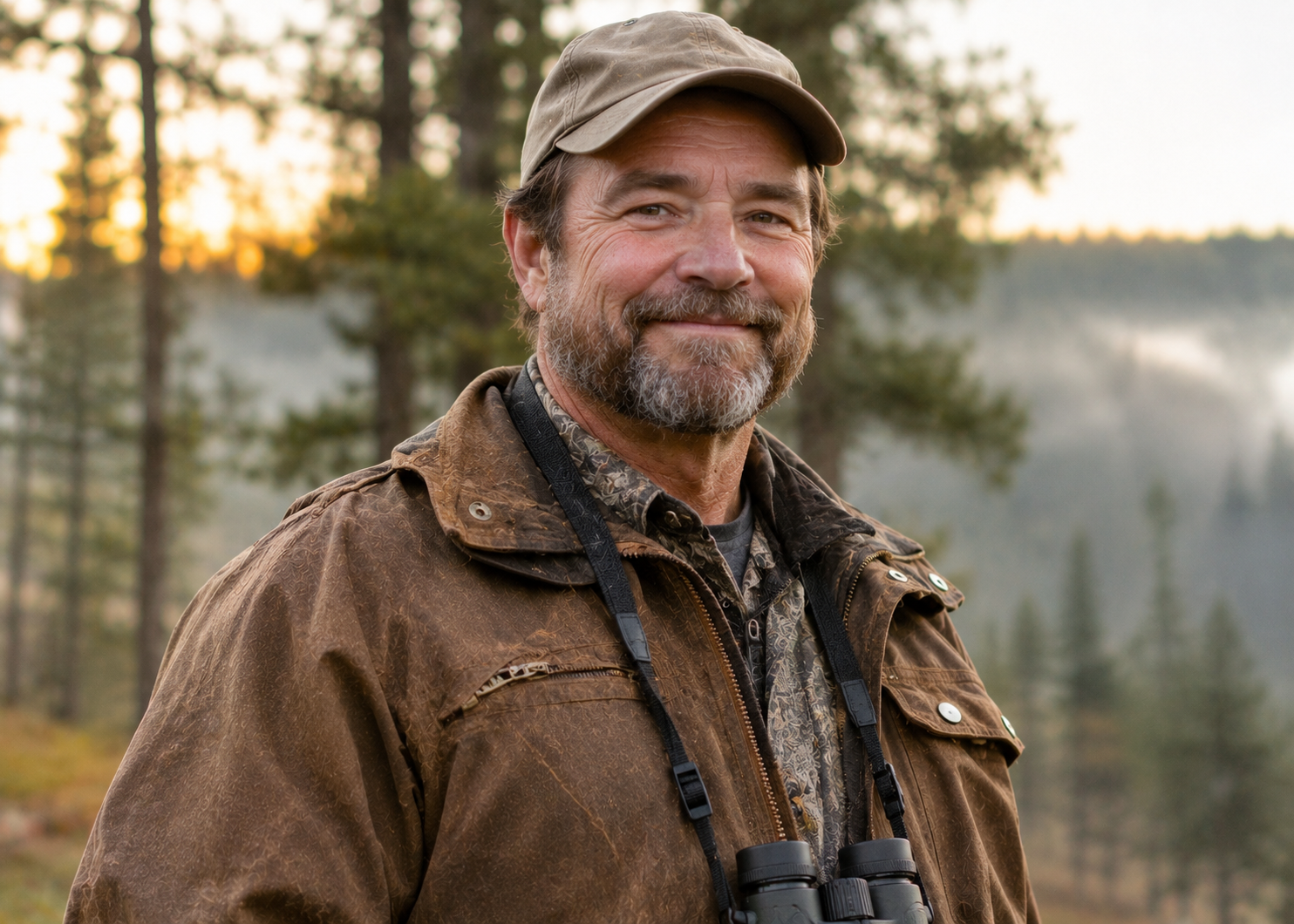
I’m Grant Mitchell, a firearms and hunting writer with years of experience at the range and in the field. I write about rifles, shotguns, handguns, optics, safe storage, cleaning, and responsible ownership, along with practical hunting tips. My goal is to share accurate, safety-first information that helps you choose the right firearm, maintain it properly, and become a more confident shooter.


