Top 12 Best Lightweight Synthetic Insulated Jacket Picks!
Many people who rely on outdoor jackets know the frustration of a bulky, heavy layer that fails to keep warmth when wet or compresses poorly in a pack. Finding the best lightweight synthetic insulated jacket is about avoiding those trade-offs.
A cheap or poorly chosen one often falls short by losing insulation after exposure to rain or stuffing awkwardly into a backpack.
The key factors that separate a reliable jacket are the synthetic fill quality, weight, and fit. High-loft synthetic insulation around 60-100 grams per square meter balances warmth without bulk. A well-fitted jacket traps heat better and avoids cold drafts, while materials with a durable water repellent finish handle moisture without soaking through.
Durability and easy-to-clean fabrics also extend the jacket’s lifespan and usefulness.
Need a Quick Check?
| Image | Product | Price |
|---|---|---|
Our Top Picks 1  | Junction Insulated Jacket | Check Price |
Our Top Picks 2  | Rab Cirrus Alpine Jacket | Check Price |
Our Top Picks 3  | Columbia Powder Lite II | Check Price |
Our Selected Top 12 Lightweight Synthetic Insulated Jacket Worth Buying
This list features lightweight synthetic insulated jackets designed for varying activities and weather conditions. Each review covers performance, suitability for different users, and highlights strengths and weaknesses to help you choose the best option for your needs.
1. Mens Junction Insulated Jacket
Summit Navy color and a quilted look stand out first in this winter coat designed for casual, cold weather use. Its synthetic insulation and water repellent finish make it a solid pick for those who want warmth without bulky weight.
Putting it on feels comfortable because of the regular fit and band-style collar that sits well around the neck. Zip hand pockets keep essentials close and safe. It’s a straightforward jacket for fall, making it easy to layer or wear as a standalone piece during brisk days.
It performs well at keeping cold air out while still feeling light enough not to weigh you down. The water repellent finish guards against light moisture.
Most people appreciate its reliable warmth and pocket security, although some mention that it’s less suited for heavy rain or extreme conditions because of the synthetic insulation.
Reliable warmth and comfort top the benefits, while some find it less protective in heavy rain conditions. The insulated yet lightweight design suits regular cold weather but won’t keep you dry in downpours.
People looking for a casual jacket that works well on cold, dry days will appreciate this. Those needing a jacket for intense wet weather or severe winter should consider options with stronger waterproofing or heavier insulation.
Pros
- Lightweight synthetic insulation for warmth
- Water repellent finish resists light moisture
- Secure zip hand pockets for valuables
- Regular fit and band collar for comfort
Cons
- Not ideal for heavy rain or wet snow
- Limited to fall season, less for harsh winters
| Specification | Details |
|---|---|
| Color | Summit Navy |
| Style | Junction Insulated Jacket | Winter Coat With Synthetic Insulation, Water Repellent Finish & Secure Zip Hand Pockets |
| Sleeve Type | Long Sleeve |
| Coat Silhouette Type | Quilted |
| Fit Type | Regular |
| Climate Suitability | Cold Weather |
2. Rab Cirrus Alpine Insulated Jacket
Lightweight and warm, this insulated jacket suits those who need reliable cold-weather gear without bulk. Its quilted design stands out for keeping you warm while staying light enough for casual or outdoor use.
Putting it on feels natural thanks to the classic fit and hooded collar, which keeps out chilly drafts. The jacket’s solid pattern and beluga color make it easy to pair with different outfits.
It works well as an everyday layer in winter, performing smoothly across a variety of outdoor activities without feeling restrictive.
Built to handle cold weather, the insulation delivers consistent warmth without adding unnecessary weight. The long sleeves and smooth construction help block the wind and prevent cold spots.
Some praise its thoughtful design and cozy feel, though a few note that the warmth might be less ideal for extreme cold conditions.
The main highlight is its lightweight warmth that keeps you comfortable during winter without bulk. Most users find it perfect for everyday outdoor wear but mention it may fall short in very harsh cold conditions. The construction without visible seams and the hood add to its practical warmth and comfort.
This jacket suits those who want versatile cold-weather protection on casual days and during outdoor activities. For those expecting heavy-duty insulation against severe cold, looking for a thicker option might be better.
Pros
- Lightweight but warm insulation
- Classic fit works well for layering
- Hooded collar offers extra protection
- Construction with no visible seams reduces wind penetration
Cons
- Not enough warmth for extreme cold
- Limited color options
| Specification | Details |
|---|---|
| Color | Beluga |
| Style | Continuous |
| Fit Type | Classic |
| Collar Style | Hooded |
| Climate Suitability | Cold Weather |
| Occasion | Casual, Outdoor Activities |
3. Columbia Powder Lite II Hooded Jacket
Cold fall days call for a jacket that keeps you warm without weighing you down. Designed for chilly weather, the Columbia Powder Lite II Hooded Jacket fits regular and offers solid insulation. Its biggest strength is staying warm while remaining lightweight and easy to move in.
Putting the jacket on is simple thanks to the high collar and hood combination that locks in warmth against cold drafts. Quilted in style, it provides good coverage with long sleeves and a comfortable fit. Black in color, it pairs easily with other fall layers, letting you wear it for casual outdoor activities without fuss.
Performance-wise, it does well at holding heat during cold-weather outings, thanks to its synthetic insulation. The quilted coat silhouette holds the fill evenly, avoiding cold spots. A common comment notes how comfortable and warm it is, while some mention it could be a bit bulkier than expected in the arms.
The jacket is praised for staying warm without heavy weight, making it easy to wear during cold fall days. Most people mention the fit is comfortable but note the sleeves might feel somewhat bulky compared to other lightweight jackets. It handles chill well but is not designed for harsher winter conditions.
Someone looking for a simple, regular fit jacket for fall weather will appreciate its warmth and hooded design. Those wanting an ultra-light layer or a jacket for severe cold should explore other options better suited for those needs.
Pros
- Lightweight yet warm insulation
- High collar with hood for extra protection
- Regular fit allows layering underneath
- Simple black color suits many outfits
Cons
- Sleeves can feel a bit bulky
- Limited to fall season use
| Specification | Details |
|---|---|
| Color | Black |
| Style | Powder Lite Ii Hooded Jacket |
| Sleeve Type | Long Sleeve |
| Coat Silhouette Type | Quilted |
| Seasons | Fall |
| Fit Type | Regular |
4. Spyder Recon Synthetic Down Jacket

Lightweight and designed for cold weather, the Spyder Recon Synthetic Down Jacket suits anyone who needs reliable warmth without bulk. Its aviator silhouette offers a comfortable fit for outdoor activities, making it a practical choice for fall and winter adventures.
Putting on this jacket feels natural thanks to the long sleeves and well-thought-out fit. It slides easily over other layers on chilly mornings, and the solid pattern in Polar2 color keeps it versatile.
The synthetic down insulation holds up well during daily wear, making it a dependable go-to for outdoor tasks or casual walks.
Performance during cold weather is solid, as the jacket manages to keep warmth locked in despite lightweight design. Construction focuses on function over flair, with attention to cold weather suitability. Most praise highlights its warmth relative to weight, while occasional complaints mention fit might feel bulky for slimmer frames.
The strongest praise focuses on how warm the jacket stays without feeling heavy, making it easy to wear for extended periods. Most common dislikes point to the fit feeling bulky for those with leaner frames, which affects ease of movement.
Anyone needing warmth with a lightweight design will find this jacket fitting well into their routine. Those looking for a slim, tight fit or waterproof options might want to explore other jackets tailored to those needs.
Pros
- Lightweight warmth for cold conditions
- Comfortable aviator style fit
- Suitable for various outdoor activities
- Classic solid pattern in Polar2 color
Cons
- Fit can feel bulky for slimmer builds
- Not designed for wet weather protection
| Specification | Details |
|---|---|
| Color | Polar2 |
| Style | Recon Synthetic Down Jacket |
| Sleeve Type | Long Sleeve |
| Coat Silhouette Type | Aviator |
| Seasons | Fall, Winter |
| Climate Suitability | Cold Weather |
5. The North Face Junction Insulated Hoodie

People looking for a casual insulated jacket that works well during chilly fall days will find this hooded coat fitting perfectly. It stands out most for its lightweight feel while still providing warmth.
A regular fit and quilted silhouette make it a solid choice for everyday cold-weather wear.
Putting it on is straightforward with the hood offering extra protection when it’s windy. It doesn’t feel bulky, allowing easy movement on daily walks or errands.
The solid Summit Navy color keeps the look simple and versatile, while the long sleeves cover well, making it comfortable during cool temperatures.
Performance is focused on providing warmth in cold weather without heavy insulation layers. The jacket’s quilting keeps the synthetic insulation evenly distributed. Most comments highlight how warm it feels for its light weight.
Some note the regular fit can sometimes feel a bit roomy depending on layering underneath.
The jacket consistently receives praise for balancing lightweight construction with adequate warmth during cold weather. A recurring note is that the regular fit may feel loose for those wearing thicker layers underneath. Its classic navy tone and quilted design make it an easy choice for casual use.
This jacket suits anyone needing a comfortable, warm layer for fall days without much bulk. People facing harsher winter conditions or looking for a more fitted style may want to explore other options better tailored to extreme cold or slim fits.
Pros
- Lightweight yet warm insulation
- Hooded for extra warmth
- Simple, versatile solid color
- Regular fit for comfortable layering
Cons
- Fit can feel roomy with thick layers
- Designed mainly for fall, less for extreme cold
| Specification | Details |
|---|---|
| Color | Summit Navy |
| Style | Junction Insulated |
| Sleeve Type | Long Sleeve |
| Coat Silhouette Type | Quilted |
| Climate Suitability | Cold Weather |
| Fit Type | Regular |
6. Columbia Tipton Peak III Insulated Jacket

Lightweight design and solid insulation make the Columbia Tipton Peak III a reliable pick for chilly fall days. It suits anyone looking for a casual jacket that balances warmth without weighing you down.
Its biggest strength is the hooded collar, which adds extra protection against cold winds.
Putting on the jacket feels comfortable thanks to its regular fit, which isn’t too tight or bulky. The anorak silhouette gives it a relaxed look and helps with layering underneath. The black color keeps it versatile for everyday wear.
Long sleeves and a hood make it ready for unpredictable autumn weather, making it simple to grab for your daily routine.
The jacket handles cold weather well, providing enough insulation for fall temperatures without overheating. Constructed with synthetic insulation, it feels durable and keeps its shape after multiple uses. Many find the fit just right, but a few mention it could be a little warmer for harsher conditions.
Stitching and materials hold up nicely, confirming decent build quality.
Warmth provided by synthetic insulation and the inclusion of a hood earns the most praise. A common complaint points to its limitation in colder or wetter climates, where extra insulation or water resistance would be needed.
The jacket suits those needing reliable cold-weather comfort without bulk, particularly for fall and dry conditions. People wanting a heavier winter jacket or protection from rain should look elsewhere for something more specialized.
Pros
- Lightweight yet warm enough for cold weather
- Hooded collar adds extra wind protection
- Regular fit suits casual everyday wear
- Simple solid black color for versatility
Cons
- Not warm enough for very cold temperatures
- Lacks additional weatherproof features
| Specification | Details |
|---|---|
| Color | Black |
| Style | Tipton Peak III Insulated Jacket |
| Sleeve Type | Long Sleeve |
| Coat Silhouette Type | Anorak |
| Seasons | Fall |
| Fit Type | Regular |
7. The North Face Aconcagua Hooded Jacket

North Face Aconcagua Hooded Jacket is built to keep you warm in cold weather while staying lightweight and comfortable. Its regular fit and long sleeves make it a solid pick for everyday wear during fall, especially for those who want dependable insulation without bulk.
Wearing it day-to-day is straightforward since it fits like a typical rain coat with a hood for added protection against wind and chill. The anthracite grey color keeps things neutral, and the jacket’s design focuses on providing warmth while moving easily without feeling stuffed or restrictive.
Performance-wise, it holds heat well thanks to its synthetic insulation meant for cold weather, making it suitable for chilly fall days. The jacket has a durable feel, but some users note it can be a bit heavy compared to other lightweight options.
It’s built to last with a solid silhouette and straightforward features.
The jacket receives praise for its dependable warmth from synthetic insulation and a practical, regular fit that suits cold weather well. Common feedback points out it feels somewhat heavier compared to other lightweight insulated options, which could affect packability or all-day comfort.
People seeking a warm, easy-to-wear fall jacket that handles cold weather will appreciate this choice. Those looking for something ultra-lightweight for frequent packing or warmer climates might prefer a different style with less weight and seasonal flexibility.
Pros
- Warm synthetic insulation suitable for cold weather
- Regular fit allows comfortable layering
- Neutral anthracite grey color matches well with most outfits
- Hood adds extra weather protection
Cons
- Feels heavier than some lightweight jackets
- Limited seasonal use mainly for fall
| Specification | Details |
|---|---|
| Color | Anthracite Grey |
| Style | Aconcagua Hooded Jacket |
| Sleeve Type | Long Sleeve |
| Coat Silhouette Type | Rain Coat |
| Seasons | Fall |
| Fit Type | Regular |
| Climate Suitability | Cold Weather |
8. Spyder Lightweight Insulated Hooded Jacket

Feels light and easy to wear, perfect for mild fall or spring days. Suited for casual outings where you want some warmth without bulk.
The standout feature is its lightweight insulation that keeps you comfortable without overheating or feeling weighed down.
Putting it on is simple thanks to its regular fit and anorak silhouette, which offers casual style with practical coverage. The cold shoulder sleeves add a little extra warmth without restricting movement, making it great for layering over a hoodie or tee. The military color works well with many outfits, and the design keeps you cozy without being too heavy for the seasons it’s made for.
Does well staying warm in mild weather, not built for very cold or wet conditions. The lightweight insulation delivers consistent comfort while the jacket’s construction holds up well with regular use.
Most praise highlights how comfortable and versatile it is, while common complaints mention it isn’t suited for harsh cold or heavy rain.
The jacket consistently receives praise for its light, comfortable warmth during mild weather days. At the same time, many users note it does not hold up in cold or wet conditions, limiting its use to fall and spring. Its casual style and practical fit suit everyday wear but can’t replace heavier winter outerwear.
Anyone looking for a lightweight, comfy jacket for mild weather will be happy with this option. People needing stronger insulation or waterproof features should look elsewhere to stay warm and dry through colder or wetter seasons.
Pros
- Lightweight insulation keeps mild chill away
- Comfortable regular fit for daily wear
- Military color pairs easily with casual clothes
- Cold shoulder sleeves allow easy movement
Cons
- Not suitable for very cold weather
- Also not waterproof for heavy rain
| Specification | Details |
|---|---|
| Color | Military |
| Style | Lightweight Insulated Jacket |
| Sleeve Type | Cold Shoulder Sleeve |
| Coat Silhouette Type | Anorak |
| Seasons | Fall, Spring |
| Fit Type | Regular |
9. The North Face Womens Junction Insulated Jacket
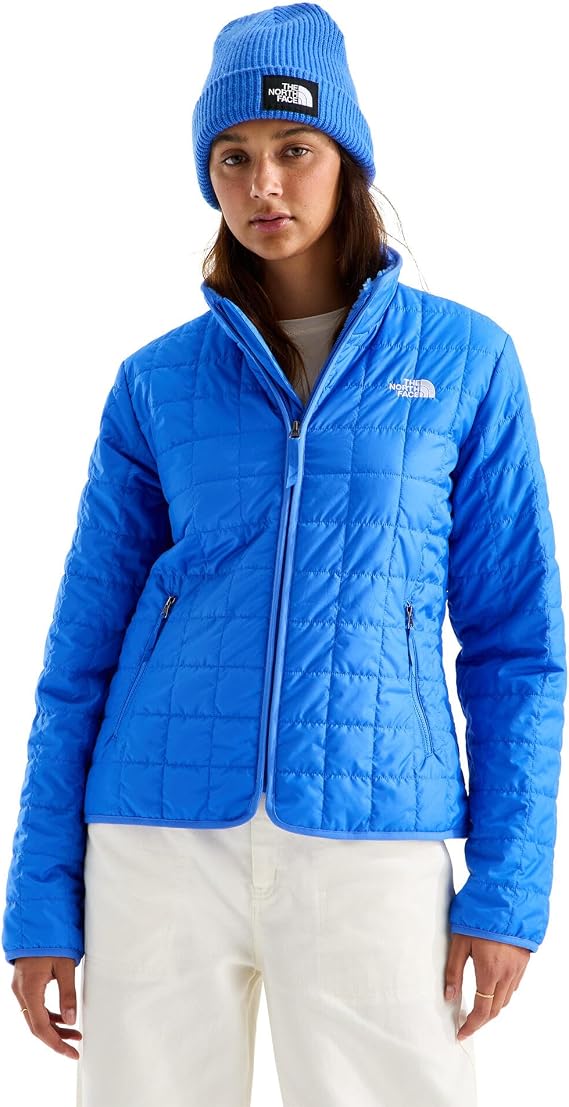
Lightweight and warm, this jacket suits anyone looking for a reliable cold-weather layer that balances warmth with everyday versatility. Best for fall through early spring, it’s easy to wear whether you’re heading out for a casual stroll or layering up for chillier days.
The jacket feels light on your shoulders thanks to its 100g HEATSEEKER synthetic insulation made with 70% recycled materials. Its recycled polyester shell resists water effectively, so a little drizzle won’t soak you through. Buttoning it up or layering beneath a heavier coat during winter is straightforward, while the regular fit keeps movement comfortable without excess bulk.
Providing a good level of warmth without weighing you down, the insulation hits a nice middle ground between comfort and function. The quilted pattern and water-repellent finish contribute to durability on a daily basis. On the downside, some mention the jacket is a bit less warm during harsh winter days.
The construction also focuses on sustainability, with a circular design for recycling at the end of life.
Reviews highlight how well the jacket balances lightweight warmth with everyday practicality, making it comfortable for a variety of activities. Some users note that it falls short when temperatures drop sharply, especially compared to heavier winter coats.
People looking for a daily jacket from fall into early spring will appreciate the comfort and eco-conscious design. Those facing severe cold or snowy conditions should consider a thicker insulated option for superior protection.
Pros
- Lightweight warmth for fall through spring
- Environmentally conscious recycled materials used
- Water-repellent shell resists light moisture
- Regular fit offers room for layering
Cons
- Less warmth in harsh winter conditions
- Not insulated enough for heavy snow or cold
| Specification | Details |
|---|---|
| Material | 100% recycled polyester plain weave |
| Insulation | 70% recycled, 100g HEATSEEKER synthetic hollow-core |
| Water Repellent Finish | non-PFC durable water-repellent (non-PFC DWR) |
| Fit Type | Regular |
| Seasons | Fall |
| Coat Silhouette Type | Quilted |
10. The North Face Quest Mono Insulated Jacket

Lightweight synthetic insulation shapes this jacket, designed for outdoor activities in cold weather. Its biggest appeal is staying warm without feeling bulky, fitting well into a year-round fall wardrobe. The regular fit offers comfort and mobility, making it a solid pick when layering is necessary.
Putting it on feels simple thanks to the regular fit and long sleeves that cover well without restricting movement. The Estate Blue color looks clean and pairs easily with other outdoor gear.
Designed as a rain coat silhouette, it suits daily outings where quick adaptation to temperature changes is needed. Its maintenance stays basic, with materials that handle typical wear for fall conditions.
Warmth delivery aligns well with expectations for a synthetic insulated jacket in cool weather. The build focuses on lightweight comfort while maintaining decent protection.
Many appreciate the balance of warmth and weight, though some mention the insulation could be thicker for harsher climates. Its durability handles regular use, though the rain coat style might limit breathability in intense activities.
Heating performance works well for cool conditions without adding bulk, but some find it less warm than expected during harsher cold spells. Its design handles everyday fall weather with ease, although breathability can be an issue during intense outdoor activities or rain.
People looking for a light, comfortable insulated jacket for fall outings will be pleased with this option. Those needing more substantial warmth or moisture management under heavy activity might want to explore alternatives more specialized for those conditions.
Pros
- Lightweight design suitable for layering
- Regular fit offers comfort and mobility
- Effective insulation for typical fall weather
- Attractive Estate Blue color
Cons
- Insulation may feel thin in severe cold
- Rain coat silhouette limits breathability
| Specification | Details |
|---|---|
| Color | Estate Blue |
| Style | Quest Mono Insulated Jacket |
| Sleeve Type | Long Sleeve |
| Coat Silhouette Type | Rain Coat |
| Seasons | Fall |
| Fit Type | Regular |
11. Adidas Terrex Multi Synthetic Insulated Jacket

Cardboard color makes the jacket stand out, appealing to those who want a simple but effective layer for fall hiking. Lightweight yet warm, it suits anyone needing a synthetic insulated jacket that doesn’t weigh down their pack. Its biggest strength is balancing warmth and low weight for outdoor activities.
Putting it on is easy with a band collar that adds a neat finish without bulk. The long sleeves provide full coverage and comfort during cooler fall days. Wearing it during hikes feels natural since it doesn’t feel heavy, and its solid pattern keeps the look straightforward and versatile for different settings.
It keeps you warm well in mild fall weather without overheating or feeling bulky. The multi-synthetic insulation does its job while allowing reasonable movement. It’s built solidly enough for outdoor wear, with the main praise being its lightness and warmth.
Some mention it could be warmer in windier conditions.
The jacket’s standout quality is how well it balances lightness and warmth, making it comfortable to wear without feeling bulky. On the downside, it can feel less protective when the wind picks up or temperatures drop more than expected. The absence of a hood also leaves rain coverage lacking.
Those looking for a simple, easy-to-pack insulated layer for mild fall hikes will appreciate it. Hikers facing colder, windier, or wetter conditions should consider jackets with more insulation or added features like a hood for better protection.
Pros
- Lightweight synthetic insulation feels warm without bulk
- Band collar fits comfortably without pinching the neck
- Long sleeves provide full arm coverage for cooler days
- Plain solid color suitable for both hiking and casual wear
Cons
- Could be warmer in windy or very cold conditions
- No hood limits protection in wet weather
| Specification | Details |
|---|---|
| Color | Cardboard |
| Style | Terrex Multi-synthetic Insulated Hiking Jacket |
| Sleeve Type | Long Sleeve |
| Seasons | Fall |
| Pattern | Solid |
| Collar Style | Band |
12. Adidas Terrex Multi Synthetic Insulated Jacket

Lightweight and insulated, the adidas Terrex Multi Synthetic Insulated Jacket suits anyone looking for comfortable warmth during spring and summer hikes. Its standout feature is the synthetic insulation that keeps you warm without adding bulk, making it easy to carry and wear on longer outdoor days.
Wearing the jacket feels straightforward thanks to its long sleeves and band collar design that offers good coverage without restricting movement. The solid color and simple style make it easy to pair with other gear. Perfect for layering on chilly mornings or cool evenings, the jacket handles daily outdoor activities well without feeling heavy or cumbersome.
Designed to keep warmth while maintaining a lightweight feel, it performs reliably on moderate hikes. The synthetic insulation offers consistent temperature control, and the materials balance durability with comfort. Positive notes often mention its warmth and fit; common drawbacks include limited color options and lack of extra pockets for storage.
The jacket is praised for providing reliable warmth while remaining lightweight and easy to wear. Complaints mostly focus on the absence of additional pockets and limited color variety, which might reduce convenience or style options for some. It’s built well for temperate conditions common to spring and summer hiking.
People seeking a straightforward, warm layer for active outdoor use during mild seasons will appreciate this jacket. Those needing more storage or diverse colors might consider other options better suited to those preferences.
Pros
- Lightweight synthetic insulation keeps warmth without bulk
- Simple band collar adds comfort without restriction
- Long sleeves provide good coverage
- Neutral solid colors work well with outdoor gear
Cons
- Lacks extra pockets for storage needs
- Limited color options for personal style
| Specification | Details |
|---|---|
| Color | Silver Green/Ivy |
| Style | Terrex Multi Synthetic Insulated Hiking Jacket |
| Sleeve Type | Long Sleeve |
| Seasons | Spring/Summer |
| Pattern | Solid |
| Collar Style | Band |
Best Lightweight Synthetic Insulated Jackets Comparison Table
| Product | Climate Suitability | Season | Collar Style | Occasion |
|---|---|---|---|---|
| Junction Insulated Jacket | Cold Weather | Fall | Band | – |
| Rab Cirrus Alpine Jacket | Cold Weather | Winter | Hooded | Casual, Outdoor Activities |
| Columbia Powder Lite II | Cold Weather | Fall | High | – |
| Spyder Recon Down Jacket | Cold Weather | Fall, Winter | – | Outdoor Activities |
| North Face Junction Hoodie | Cold Weather | Fall | Hooded | Casual Wear |
| Columbia Tipton Peak III | Cold Weather | Fall | Hooded Collar | Casual |
| North Face Aconcagua Hoodie | Cold Weather | Fall | – | – |
| Spyder Lightweight Hoodie | Mild Weather | Fall, Spring | – | Casual Wear |
| North Face Womens Junction | Cold Weather | Fall | – | – |
| North Face Quest Mono | Cold Weather | Fall | – | Outdoor Activities |
| adidas Terrex Multi | – | Fall | Band | – |
| adidas Terrex Multi II | – | Spring, Summer | Band | – |
- Climate SuitabilityCold Weather
- SeasonFall
- Collar StyleBand
- Occasion–
- Climate SuitabilityCold Weather
- SeasonWinter
- Collar StyleHooded
- OccasionCasual, Outdoor Activities
- Climate SuitabilityCold Weather
- SeasonFall
- Collar StyleHigh
- Occasion–
- Climate SuitabilityCold Weather
- SeasonFall, Winter
- Collar Style–
- OccasionOutdoor Activities
- Climate SuitabilityCold Weather
- SeasonFall
- Collar StyleHooded
- OccasionCasual Wear
- Climate SuitabilityCold Weather
- SeasonFall
- Collar StyleHooded Collar
- OccasionCasual
- Climate SuitabilityCold Weather
- SeasonFall
- Collar Style–
- Occasion–
- Climate SuitabilityMild Weather
- SeasonFall, Spring
- Collar Style–
- OccasionCasual Wear
- Climate SuitabilityCold Weather
- SeasonFall
- Collar Style–
- Occasion–
- Climate SuitabilityCold Weather
- SeasonFall
- Collar Style–
- OccasionOutdoor Activities
- Climate Suitability–
- SeasonFall
- Collar StyleBand
- Occasion–
- Climate Suitability–
- SeasonSpring, Summer
- Collar StyleBand
- Occasion–
How to Choose the Right Synthetic Insulated Jacket
Consider factors like insulation quality, weight, breathability, and durability to find a jacket that suits your activity and weather needs. Choosing the right balance ensures warmth without bulk, saving money by avoiding replacements and providing reliable comfort for various conditions.
Insulation Quality
Synthetic insulation in these jackets often uses polyester fibers designed to mimic down loft while staying dry. Many jackets employ materials like PrimaLoft or proprietary blends, which maintain a favorable warmth-to-weight ratio.
These synthetic fibers trap air efficiently, providing good insulation even after exposure to moisture.
Ignoring insulation quality leads to a jacket that feels heavy but offers little warmth, especially in damp conditions. Jackets with a weight-to-warmth ratio around 30-40 grams per square meter of insulation strike a suitable balance for various temperatures. Retaining heat when damp separates useful gear from disappointing ones during wet weather or active use where sweating is common.
Weight and Packability
Carrying extra bulk affects how well a jacket layers and packs on trips. A lightweight jacket under 12 ounces is easier to carry without sacrificing much warmth. Compressibility depends on the insulation type and outer fabric construction, with some jackets stuffing down into a small pouch the size of a fist.
Overly bulky jackets add unwelcome weight and restrict layering. Jackets that compress well save space in a backpack and reduce overall load. Choosing a jacket with a balance between overall warmth and weight often means something that stays cozy without feeling like armor.
Fit and Mobility
Range of sizes and adjustable features like cuffs, hems, and hoods impact mobility and comfort. A jacket cut too narrow will limit movement during climbing, hiking, or paddling, making the experience frustrating.
Jackets designed with slightly longer sleeves and articulated elbows improve flexibility.
Layer compatibility is essential; wearing a jacket over a mid-layer should not feel tight or restrictive. Stretch panels or gussets help maintain freedom of motion, while adjustable drawcords ensure a proper fit without compromising layering options.
Durability and Weather Resistance
Repeated contact with rough surfaces can quickly wear through thin shells, so fabric durability matters. Nylon with a ripstop weave or a high denier count offers better resistance to abrasion.
Water repellency is usually provided by a DWR (durable water repellent) coating that guards against light rain.
Windproof fabrics keep warmth inside by blocking drafts. Seams should be well-taped or at least tightly stitched to prevent water and wind from creeping in. Quality zippers with storm flaps add another layer of protection and extend jacket life.
Breathability and Ventilation
Trapping heat causes discomfort especially during high-output activities. Breathable fabrics with good moisture vapor transmission rates reduce sweat buildup.
Some jackets include zippered underarm vents or mesh-lined pockets to increase airflow when overheating threatens.
Ventilation options allow quick temperature adjustments without removing layers. Balanced breathability keeps the wearer dry and comfortable by expelling excess heat while maintaining insulation where it’s needed, preventing chills when activity levels drop.
How to Maximize Warmth and Breathability with Lightweight Synthetic Insulated Jackets
Lightweight synthetic insulated jackets provide warmth by trapping air close to the body while allowing moisture to escape. Their synthetic fibers maintain insulation even when damp, making them suitable for active use or variable weather.
To maximize warmth and breathability, wear a moisture-wicking base layer underneath. This moves sweat away from your skin, reducing cooling effects caused by wet fabric.
Layering is also key. Combine the jacket with a windproof shell during colder or windy conditions to block heat loss without sacrificing breathability. Look for jackets with strategically placed ventilation options like pit zips or mesh-lined pockets to increase airflow when activity heats you up.
- Avoid overstuffing pockets to maintain proper insulation distribution.
- Adjust cuffs and hem cords to seal in warmth.
- Choose a jacket fit that allows some air circulation but isn’t too loose.
These steps help balance warmth retention with moisture management, which is crucial for comfort during outdoor activities.
Essential Care and Maintenance Tips to Prolong Your Jacket’s Performance
Synthetic insulated jackets require regular care to keep their loft and thermal properties intact. Use a gentle detergent designed for technical outerwear to avoid residue buildup.
Avoid fabric softeners, which can clog fibers and reduce breathability and insulation.
Wash the jacket in cold or warm water on a delicate cycle. Rinse thoroughly to ensure all detergent is removed.
Drying can be done with low heat in a tumble dryer along with clean tennis balls or dryer balls, which help restore loft by fluffing up the insulation evenly.
- Store the jacket loosely without compressing it for long periods to prevent permanent flattening.
- Spot clean stains when possible instead of frequent washing.
- Check for and repair minor tears or seam issues promptly to prevent insulation loss.
Following these care tips maintains the jacket’s performance and extends its usable life.
Comparing Synthetic Insulation to Down: Performance in Wet and Humid Conditions
Synthetic insulation offers advantages over down in wet or humid conditions due to its water-resistant fibers. Unlike down, which loses loft and insulating power when damp, synthetic fill continues to trap heat effectively.
Wet down feathers clump together, reducing airflow and warmth. Many synthetic jackets retain much of their insulating ability when soaked, making them better suited for rainy or sweaty situations. Synthetic materials also dry faster and require less specialized care.
- Synthetic jackets tend to weigh a bit more but perform more consistently across different weather conditions.
- Down is usually lighter and more compressible but excels mainly in dry and cold environments.
Choosing between the two depends on typical usage scenarios. For wet climates or high-output activities, synthetic insulation usually offers more dependable warmth.
People Also Asked
How Do I Properly Clean a Lightweight Synthetic Insulated Jacket?
Use a gentle wash cycle with cold water and mild detergent designed for technical fabrics. Avoid fabric softeners since they reduce insulation loft and water repellency. Always air dry on a flat surface or tumble dry on low with dryer balls to help restore loft.
What Size Synthetic Insulated Jacket Should I Buy for Layering?
Choose a size that allows a bit of extra room for layering underneath without being bulky or tight. A jacket that fits closely but comfortably over a base layer works best so you don’t lose mobility or compress the insulation too much.
Are Lightweight Synthetic Insulated Jackets Safe for Heavy Rain?
They are better than down in wet conditions but not fully waterproof by themselves. Expect them to resist light rain; for heavy rain, pair with a waterproof shell since synthetic insulation can lose warmth when soaked.
How Long Does a Synthetic Insulated Jacket Typically Last with Regular Use?
Around 3 to 5 years is common with regular use and proper care, but it depends on frequency and activity type. Keeping it clean and storing it loosely packed will help maintain insulation and fabric integrity longer.
What Are Common Issues with Lightweight Synthetic Insulated Jackets?
Common problems include insulation clumping, loss of loft after washing, and the outer fabric wearing thin at high-friction areas. Poorly maintained jackets may also lose their water-repellent finish, reducing performance in damp weather.
Conclusion
Choosing the right lightweight synthetic insulated jacket means focusing on warmth without bulk, durability for repeated use, and water resistance for wet conditions. Pay attention to how well the insulation holds up when damp and how the jacket fits over your usual layers.
These factors make the biggest difference in real-world comfort and usability.
Consider how you plan to use the jacket and your budget before making a choice. A jacket used daily for cold commutes may need sturdier materials than one for occasional outdoor trips. Revisit the comparison table and detailed reviews above to match these priorities with the options available.

I’m Grant Mitchell, a firearms and hunting writer with years of experience at the range and in the field. I write about rifles, shotguns, handguns, optics, safe storage, cleaning, and responsible ownership, along with practical hunting tips. My goal is to share accurate, safety-first information that helps you choose the right firearm, maintain it properly, and become a more confident shooter.